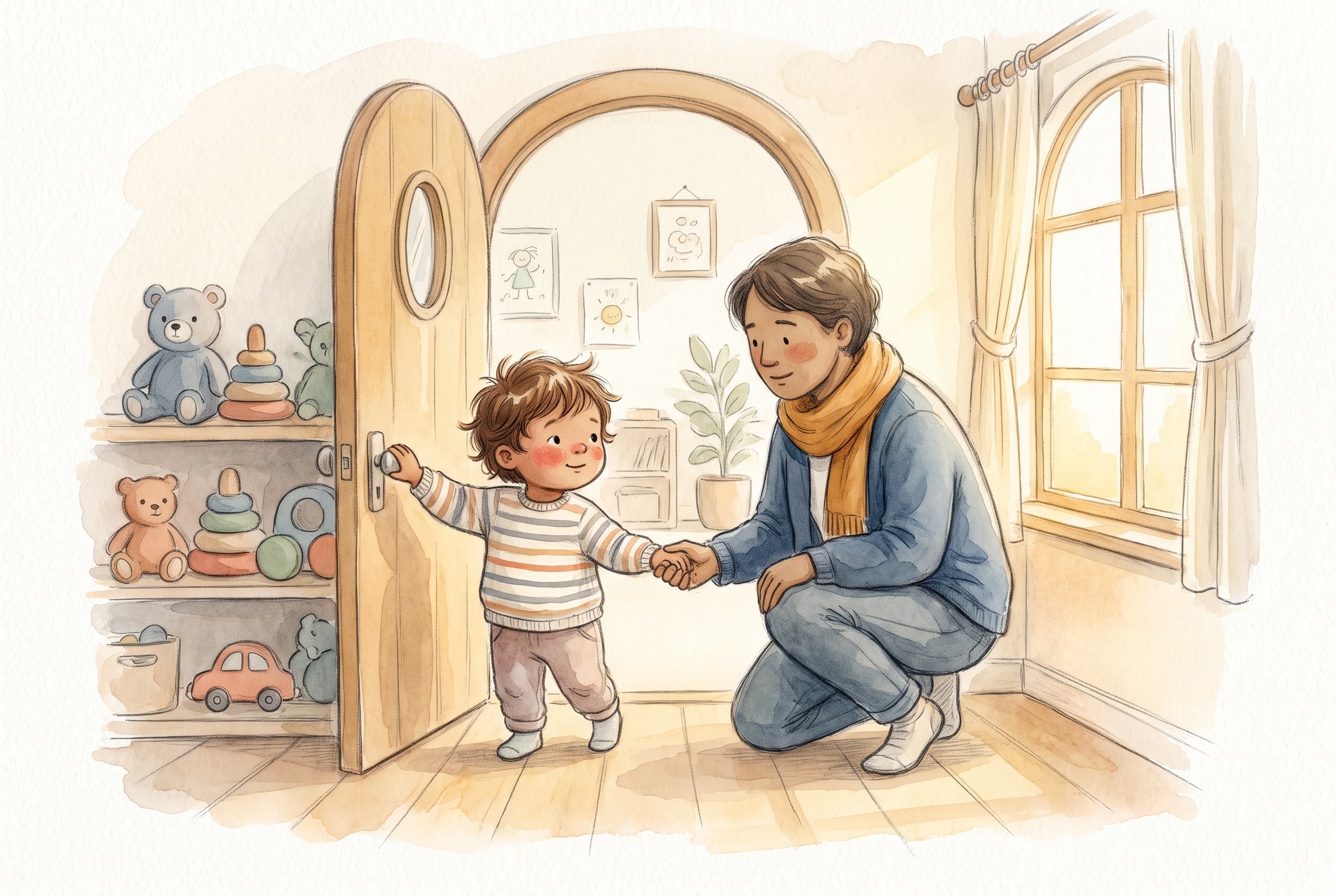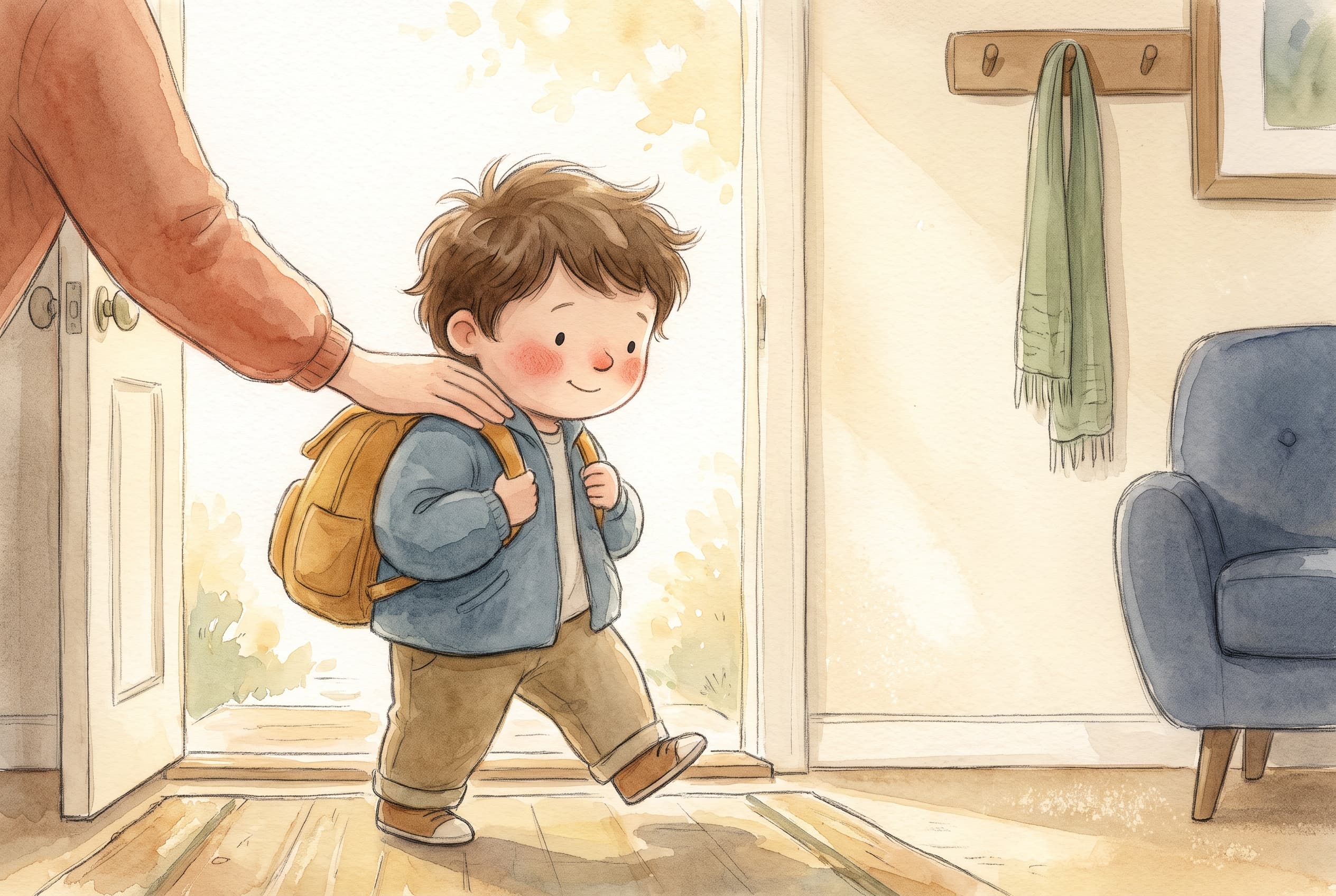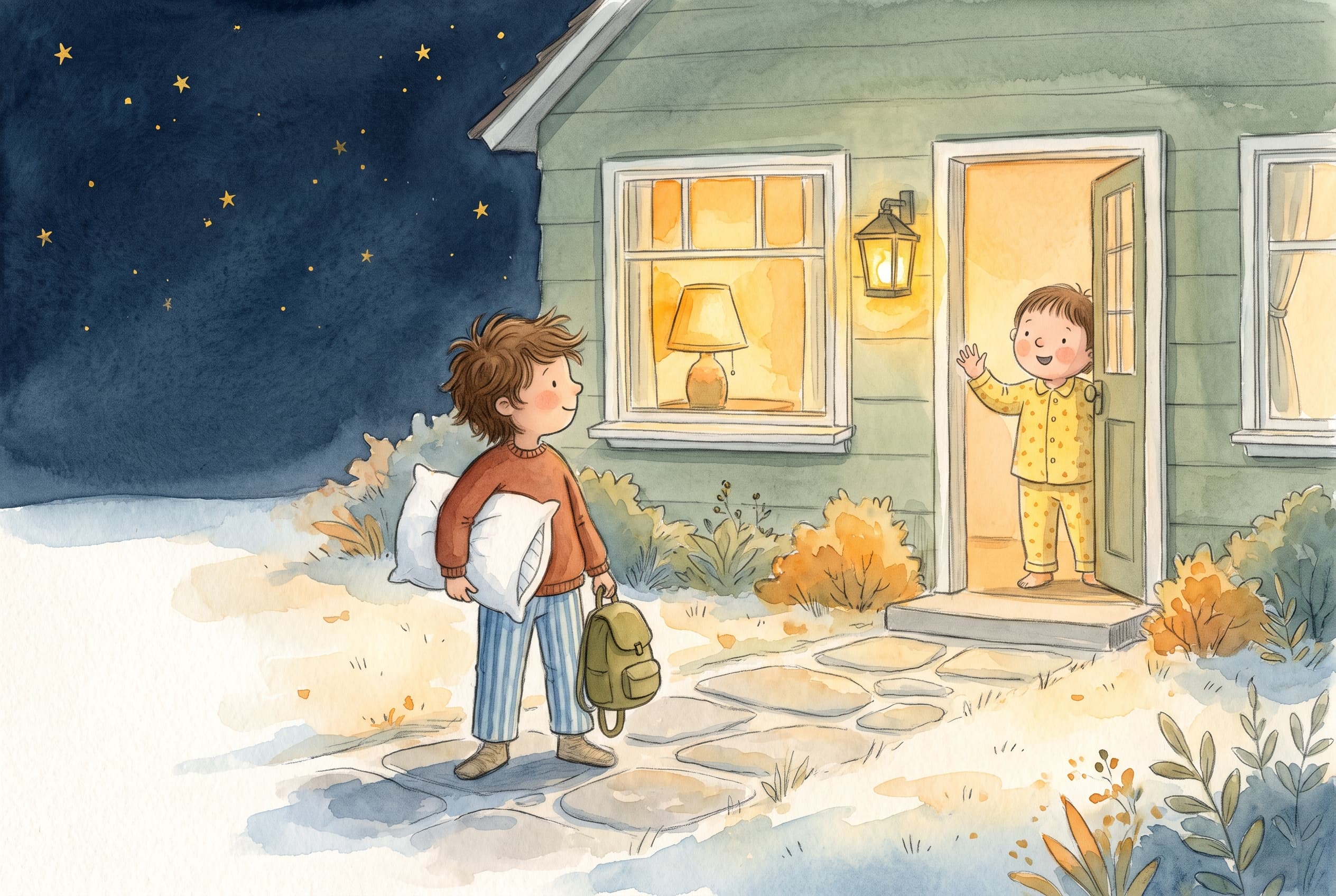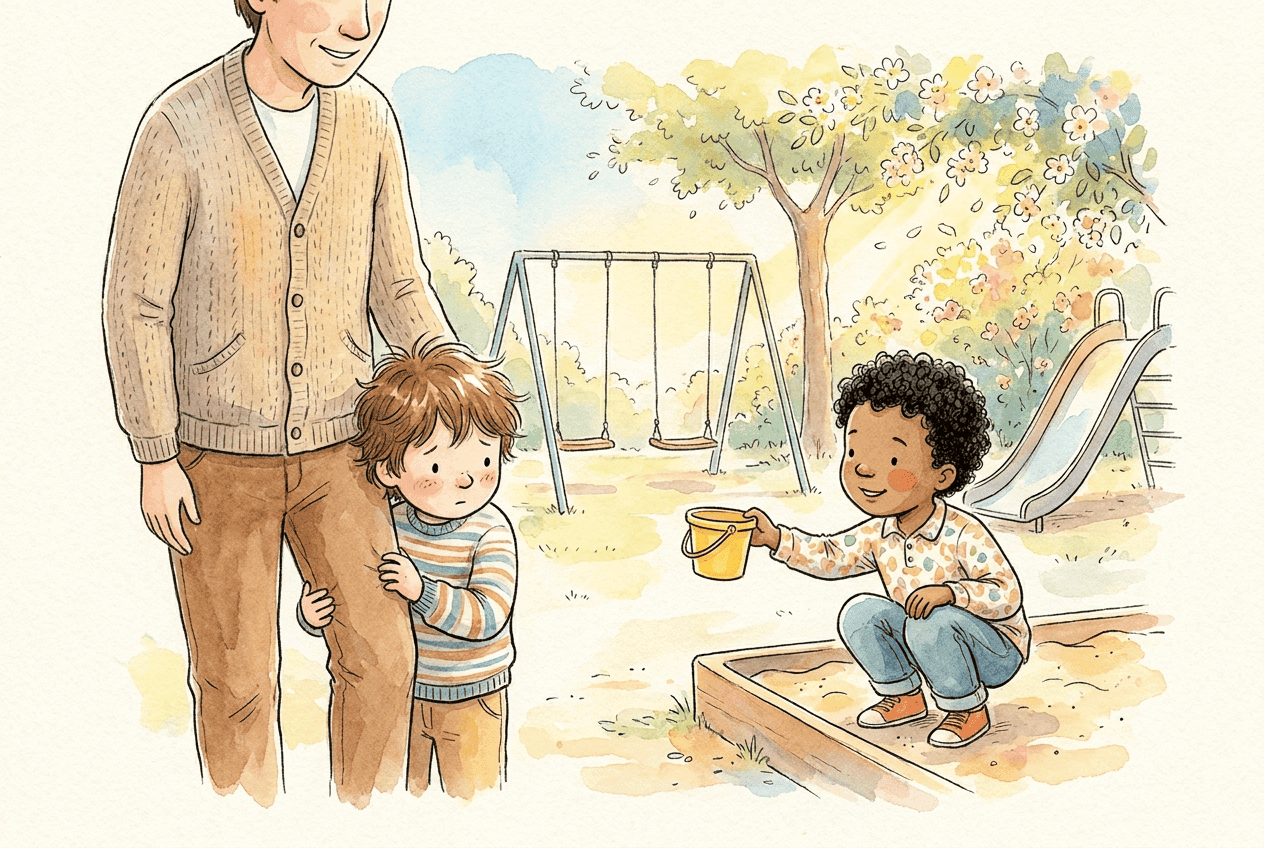
생일 파티 한쪽 구석에서 서성이거나, 다른 아이가 인사를 건네면 얼어붙는 아이를 지켜본 적 있나요? 그렇다면 이미 알고 계실 거예요. 수줍음은 고쳐야 할 결점이 아니라, 함께 다뤄 나갈 기질이라는 걸요. 수줍음 많은 아이가 첫 친구를 사귀도록 돕는 일은 아이를 무리 속으로 밀어 넣는 게 아니라, 관계 맺기가 안전하게 느껴질 때까지 부담을 낮춰 주는 일에 가깝습니다. 이 글에서는 수줍은 아이의 머릿속에서 실제로 무슨 일이 벌어지는지, 무슨 말을 해 주면 좋은지, 무엇은 하지 말아야 하는지, 그리고 경계하던 아이를 손 흔들어 인사하는 아이로 바꿔 주는 작고 반복 가능한 방법들을 살펴봅니다. 가는 길에 부드러운 자신감을 더하고 싶다면 저희 용기 이야기가 도움이 될 수 있지만, 진짜 변화는 아래에 담긴 일상의 순간들에서 일어납니다.
먼저, 수줍음이 대체 무엇인지 이해하기
수줍음은 낯선 것에 대한 경계심이지, 사람에 대한 관심이 없는 게 아닙니다. 수줍은 아이들 대부분은 사실 친구를 몹시 *원해요*. 다만 새로운 상황에 마음을 열기 전에, 그 분위기를 찬찬히 살필 시간이 더 필요할 뿐입니다. 이건 타고나는 것이기도 해요. 전체 아이의 약 15~20%는 반응성이 더 예민한 기질을 갖고 태어나서, 처음 보는 얼굴이나 소리, 낯선 장소가 유난히 강하게 느껴집니다. 이 사실을 아는 게 중요한 이유는, 목표가 '우리 아이를 외향적으로 만들기'에서 '우리 아이가 다른 사람들 사이에서 편하게 자기 모습으로 있을 만큼 안전하게 느끼도록 돕기'로 바뀌기 때문입니다.
이렇게 관점을 바꾸면 모두의 어깨에서 힘이 빠집니다. 아이에게 문제가 있는 게 아니고, 부모가 뭘 잘못하고 있는 것도 아니에요. 부모는 통역사예요. 집이라는 편안함과 다른 아이들이라는 예측 불가능함 사이의 다리를 놓아 주는 사람이죠.
수줍은 아이는 시간이 지나면서 서서히 마음을 열고, 편해지면 함께 어울립니다. 하지만 아이가 또래를 계속 피하거나, 사회적 상황을 떠올리기만 해도 무너지거나, 좀처럼 가라앉지 않는 괴로움을 보인다면 소아과 전문의와 상담해 보세요. 지속적인 사회적 불안은 도움을 받으면 잘 나아지고, 빠를수록 더 수월합니다.
무리가 아니라, 한 명부터 시작하기
큰 무리는 수줍은 아이를 압도합니다. 아이 열두 명, 시끄러운 게임, 어디로 끼어들어야 할지 알 수 없는 상황이 얽힌 파티라는 계산법은, 첫 우정을 쌓기에 딱 잘못된 무대예요. 수줍은 아이는 일대일에서 빛납니다. 놀이 상대가 한 명뿐이고 지켜보는 눈이 없으면, 아이는 긴장을 풀고 관찰하다가 결국 자기가 놀이를 주도하기도 합니다.
상대 아이는 신중하게 골라 주세요. 차분하고, 조금 더 나이가 많거나, 비슷하게 무던한 아이가 이상적입니다. 반에서 가장 활발한 아이와 붙여 주며 '이러다 트이겠지' 기대하는 건 피하세요. 대개는 정반대 효과가 납니다.
- 여러 명이 아니라 한 명만 초대하세요.
- 첫 놀이 약속은 짧게. 60~90분이면 충분합니다.
- 아이가 가장 안정감을 느끼는 우리 집에서 만나세요.
- 간단한 활동(간식 만들기, 만들기 놀이, 촉감 놀이 상자)을 미리 준비해서, 아이들이 맨땅에서 관계를 만들어 내지 않도록 해 주세요.
나란히 하는 활동으로 어색함 풀기
수줍은 아이는 마주 보는 것보다 나란히 앉는 쪽에서 더 잘 연결됩니다. 눈을 똑바로 맞추고 '자, 네 얘기 좀 해 볼래?' 하는 분위기는 아이에게 너무 큰 요구예요. 하지만 같은 기차 레일을 함께 만들거나, 같은 테이블에서 그림을 그리거나, 같은 강아지에게 밥을 주는 건 어떨까요? 조명이 쏟아지지 않는 곳에서 자연스럽게 관계가 생깁니다.
두 쌍의 손이 필요한 활동을 준비해 주세요. 보드게임, 아지트 만들기, 쿠키 한 판 굽기 같은 것들요. 함께 몰두할 무언가가 있으면 아이는 '무언가를 해내야 한다'는 부담 대신 '이야기할 거리'를 갖게 됩니다. 우정은 모두가 다른 일에 열중해 있는 사이, 슬며시 옆에서 스며드는 경우가 많아요.
어려운 순간을 위한 말 챙겨 주기
수줍은 아이는 끼고 싶은 마음은 있는데 어떻게 시작해야 할지 모를 때가 많습니다. 부담이 없는 집에서 간단한 대사 몇 개를 미리 연습해 두면, 정작 그 순간에 손을 뻗을 도구가 생겨요. 인형으로 역할극을 하거나, 서로 번갈아 '새로 온 아이' 역할을 맡아 보세요.
- 같이 놀고 싶을 때: "나도 같이 놀아도 돼?"
- 가볍게 말 걸 때: "너 신발 멋지다." / "뭐 만들고 있어?"
- 뭔가 나눠 줄 때: "이 블록 같이 쓸래?"
- 자연스럽게 빠질 때: "나 저기 가서 놀다 올게."
가볍고 즐겁게 해 주세요. 이건 시험이 아니라 예행연습이니까요. 목표는 아이가 필요할 때 이 문장들이 저절로 떠오를 만큼 익숙해지는 거예요.
아이 대신 대답하고 싶은 마음 참기
다른 어른이 아이에게 질문했는데 아이가 입을 꾹 다물면, 그 침묵이 견디기 힘들게 느껴지죠. 대부분 우리는 얼른 그 자리를 메웁니다. "아, 얘가 좀 낯을 가려서요." 하지만 아이 앞에서 '수줍은 아이'라고 이름 붙이고 대신 대답해 주면, 아이는 굳이 스스로 애쓰지 않아도 된다는 것, 그리고 '수줍음'이 곧 자기 자신이라는 걸 배우게 됩니다.
“끼어들기 전에 아이에게 5초의 침묵을 더 주세요. 바로 그 짧은 틈에서 아이는 '나도 할 수 있다'고 마음먹습니다.”
— 유아 교육자들 사이에서 흔히 오가는 말
수줍음을 설명하는 대신, 마음을 여는 과정을 이야기해 주세요. "지금 인사할 준비를 하는 중이구나." 이렇게 말하면 그 모습이 영원한 성격이 아니라 하나의 과정으로 자리 잡습니다.
자신감은 그 순간이 아니라, 그 전에 채워 두기
결정적인 순간에 말로 아이를 용감하게 만들 수는 없지만, 잔잔한 때에 자신감을 미리 채워 둘 수는 있습니다. 스스로를 '할 수 있는 아이'로 여기는 아이는 그 자아상을 새로운 상황으로 그대로 가지고 갑니다. 이야기는 그렇게 해 주는 가장 강력한 방법 중 하나예요. 자기와 닮은 주인공이 어려운 일에 도전해 해내는 모습을 보면, 아이는 안전한 공간에서 용기를 미리 연습하게 됩니다.
새로운 장소도 미리 보여 주세요. 새 학교 앞을 차로 지나가 보고, 그곳에 누가 있을지 이름을 짚어 주고, 처음 몇 분이 어떻게 흘러갈지 함께 그려 보세요. 예측 가능함은 마음을 가라앉힙니다. 수줍음이 가장 두려워하는 건 미지의 것이니, 그 미지의 영역을 조금씩 줄여 주는 거예요.
작은 성공을 축하하고, 시간표는 내려놓기
손 한 번 흔든 것, 속삭이듯 건넨 인사, 부모 뒤가 아니라 다른 아이 옆에 앉은 것. 이 모두가 성공이고, 이걸 조용히 짚어 주는 것만으로도 아이는 '관계 맺기가 잘 되고 있다'고 느낍니다. 아이를 다시 조명 아래 세우는 요란한 칭찬은 피하세요. "미아한테 인사하는 거 봤어, 정말 용감했어" 하고 둘만의 조용한 말을 건네는 편이 훨씬 잘 와닿습니다.
그리고 시간을 넉넉히 주세요. 어떤 아이는 세 살에 '단짝'을 만들고, 어떤 아이는 일곱 살이 되어서야 자기 사람을 찾습니다. 마음을 여는 데 오래 걸리는 아이일수록, 일단 열고 나면 더 깊고 흔들림 없는 우정을 맺는 경우가 많아요. 부모의 역할은 시계를 빨리 돌리는 게 아니라, 그 문을 계속 열어 두는 겁니다.
부드러운 자신감 도구: 아이를 주인공으로
수줍은 아이에게 꾸준히 도움이 되는 한 가지는, 용감해져야 하는 순간이 오기 *전에* 이미 자신을 용감한 아이로 보게 하는 거예요. Hello Storybook에서는 아이가 모든 페이지의 주인공이 되는 맞춤 동화책을 만듭니다. 새로운 놀이터를 마주하고, 먼저 인사를 건네고, 사실 저 아이도 긴장하고 있었다는 걸 발견하는 이야기죠. 저희 용기 이야기는 바로 이 시기를 위해 쓰였습니다. '친구 사귀기'를 아이가 이미 책 속에서 겪어 본 모험으로 바꿔 주니까요. 직접 만들어 보기 전에 샘플 몇 편을 둘러보며 어떻게 되는지 확인해 보세요.
마법 같은 해결책은 아니에요. 위에서 이야기한 실제 연습을 대신할 수 있는 건 없습니다. 하지만 아이가 몇 번이고 또 읽어 달라는 이야기 한 편은, 아이가 모래놀이터로 가져가는 하나의 대본이 됩니다.
핵심 요약
- 수줍음은 고쳐야 할 문제가 아니라 기질입니다. 억지 외향성이 아니라 안전한 관계 맺기를 목표로 하세요.
- 시끄러운 큰 무리 대신, 차분한 놀이 상대 한 명과 함께할 활동으로 시작하세요.
- 집에서 간단한 친구 사귀기 대사를 연습하고, 밖에서는 아이 대신 대답하기 전에 잠시 기다려 주세요.
- 미리 보여 주기, 조용히 축하하는 작은 성공, 아이가 용감한 주인공이 되는 이야기로 잔잔한 순간에 자신감을 채워 두세요.
자주 묻는 질문
수줍음 많은 아이는 몇 살에 첫 친구를 사귀어야 하나요?+
정해진 기한은 없습니다. 많은 아이가 세 살에서 다섯 살 사이에 첫 우정을 맺지만, 수줍거나 천천히 마음을 여는 아이는 여섯 살, 일곱 살이 되어서야 사귀기도 하고 그건 지극히 정상이에요. 특정 나이에 도달했는지가 아니라, 아이가 시간이 지나면서 또래에게 조금씩 마음을 열어 가는지를 보세요. 다른 아이들 앞에서 진짜 괴로워하거나 완전히 회피한다면 소아과 전문의와 상담해 보세요.
너무 밀어붙이지 않으면서 수줍은 아이가 친구를 사귀도록 도우려면요?+
작고 부담 없이 시작하세요. 우리 집으로 아이 한 명을 초대해 짧게 놀게 하고, 아이들이 맨땅에서 대화를 만들어 내지 않도록 함께할 활동을 준비하고, 아이가 자기 속도로 마음을 열게 두세요. 집에서 "나도 같이 놀아도 돼?" 같은 간단한 말을 연습하고, 사회적 순간에 아이 대신 대답하지 않도록 참으세요. 작은 성공은 조명 아래 세우기보다 조용히 축하해 주세요.
아이 앞에서 '얘는 낯을 가려요'라고 말하면 안 좋을까요?+
아이 앞에서 수줍다고 이름 붙이면, 그게 스스로 이루는 정체성이 되고 '굳이 애쓸 필요 없다'는 신호가 될 수 있습니다. 대신 그 모습을 과정으로 표현해 주세요. "지금 인사할 준비를 하는 중이구나" 하면 마음 여는 일이 일시적이고 스스로 조절할 수 있는 것으로 느껴집니다. 부모가 끼어들기 전에 아이에게 대답할 몇 초의 시간을 더 주세요.
작성 The Hello Storybook Team, 부모, 작가 그리고 이야기꾼.
← 전체 글