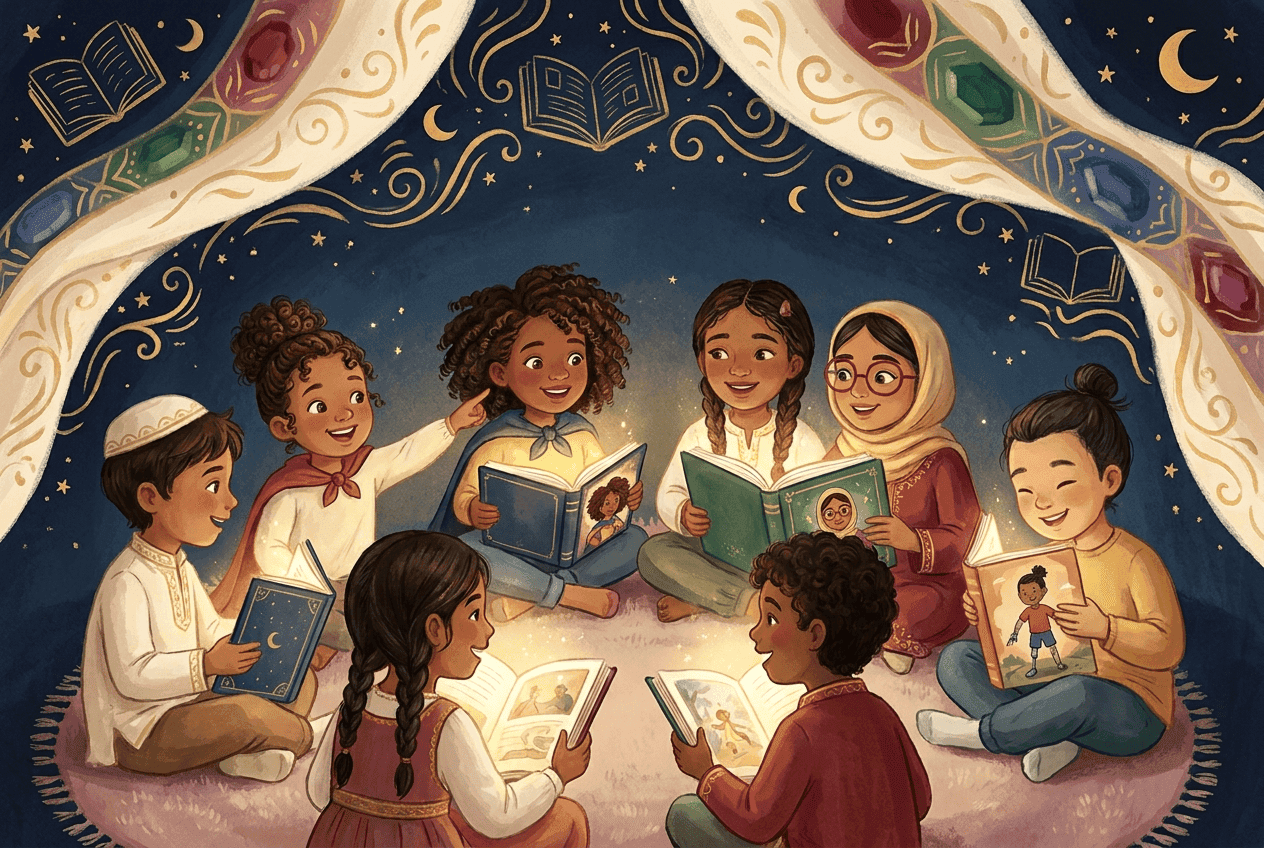
오래전, 교육학자 루딘 심스 비숍은 아동 출판의 흐름을 바꾼 한 문장을 남겼습니다. 책은 창문이자 거울이며, 또 미끄러지는 유리문이어야 한다는 것이죠. 창문은 아이가 다른 삶을 들여다보게 하고, 거울은 아이가 자기 자신을 비춰 보게 합니다. 대부분의 아이들에게 창문은 넘쳐납니다. 정작 드문 것은 거울, 즉 자기와 닮은 모습으로 살아가는 주인공입니다. 그리고 그 거울은 조용하지만 아주 큰 힘을 발휘합니다.
'거울책'이 아이에게 해 주는 것
자기와 같은 피부색, 같은 머릿결, 같은 가족, 같은 걱정을 가진 주인공을 만날 때, 아이는 글자 아래 숨어 있는 메시지를 받아들입니다. '나 같은 사람도 이야기 속에 있어도 된다. 나 같은 사람도 책 한 권을 가질 만큼 소중하다.' 이 소속감이야말로 자신감과 호기심이 자라나는 토대입니다.
- 자존감: 주인공이 되어 본 아이는 자신을 배경이 아니라 유능하고 중심에 선 존재로 그리게 됩니다.
- 몰입: 이야기가 나와 직접 연결된다고 느낄 때 아이는 더 집중하고 더 오래 기억합니다.
- 공감: 그다음에 '창문' 같은 책이 나와 다른 삶의 가치를 가르쳐 줍니다. 거울과 창문은 함께 작동합니다.
“책은 때로는 창문이 되고, 또 어떤 때는 우리 자신의 삶이 비치는 거울이 됩니다.”
— 루딘 심스 비숍 박사
'나와 상관있는 이야기'가 초기 문해력을 키우는 이유
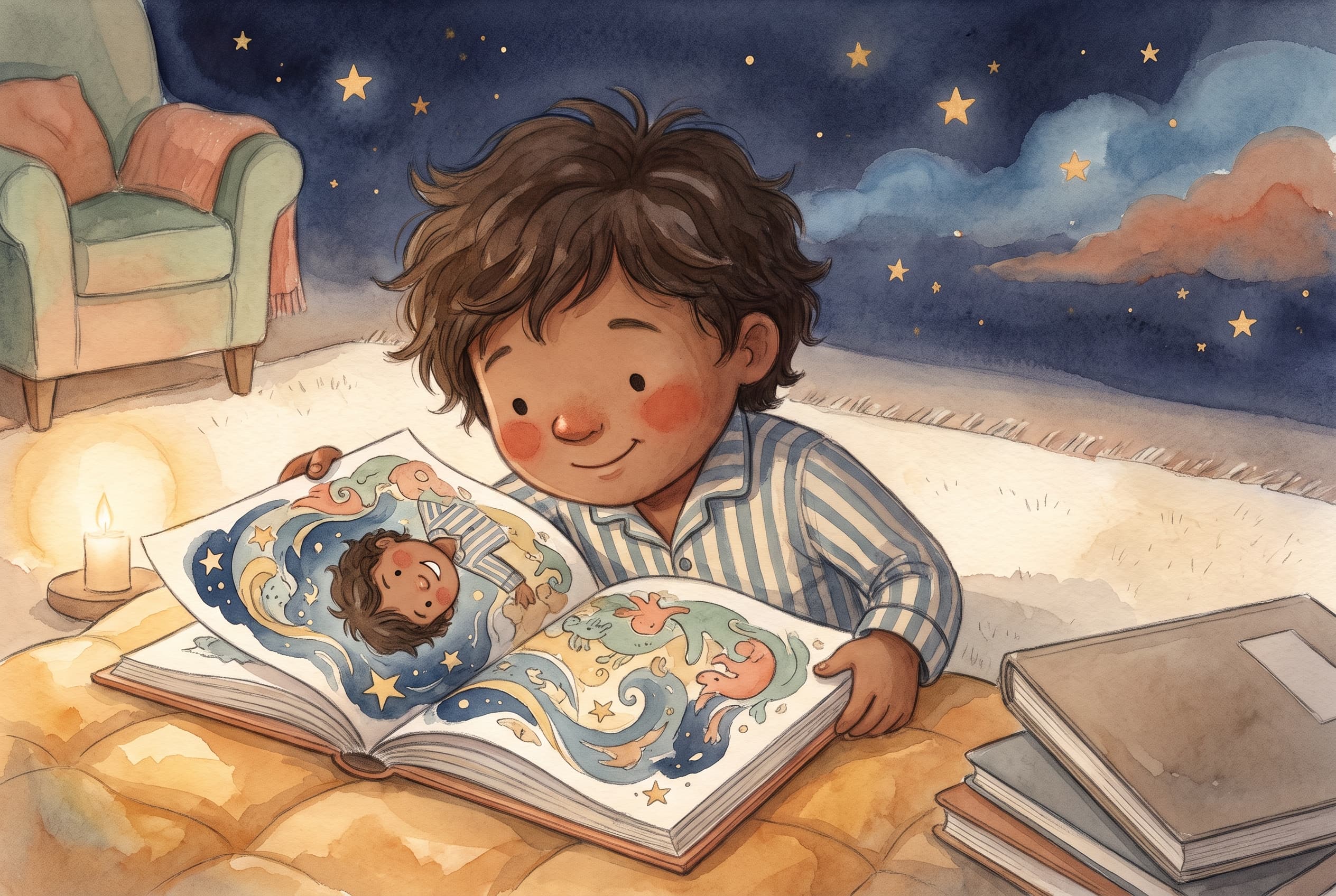
독서 연구자들이 거듭 확인하는 사실이 있습니다. 문해력을 이끄는 힘은 바로 동기라는 것이죠. 아이는 자기가 아끼는 책을 더 많이 읽고, 더 오래 집중하며, 어휘를 더 빠르게 늘립니다. 우리 아이가 주인공인 이야기만큼 아이와 직접 연결된 책이 또 있을까요. 맞춤 동화책이 그토록 자주 아이가 어디든 들고 다니는 '그 책'이 되는 이유입니다.
다양한 책이 놓인 책장은 모든 아이에게 저마다의 거울을 건네줍니다. 맞춤 동화책은 여기서 한 걸음 더 나아갑니다. 이 거울은 이름과 얼굴 그대로, 말 그대로 우리 아이 자신이니까요.
거울과 창문이 가득한 책장 만드는 법
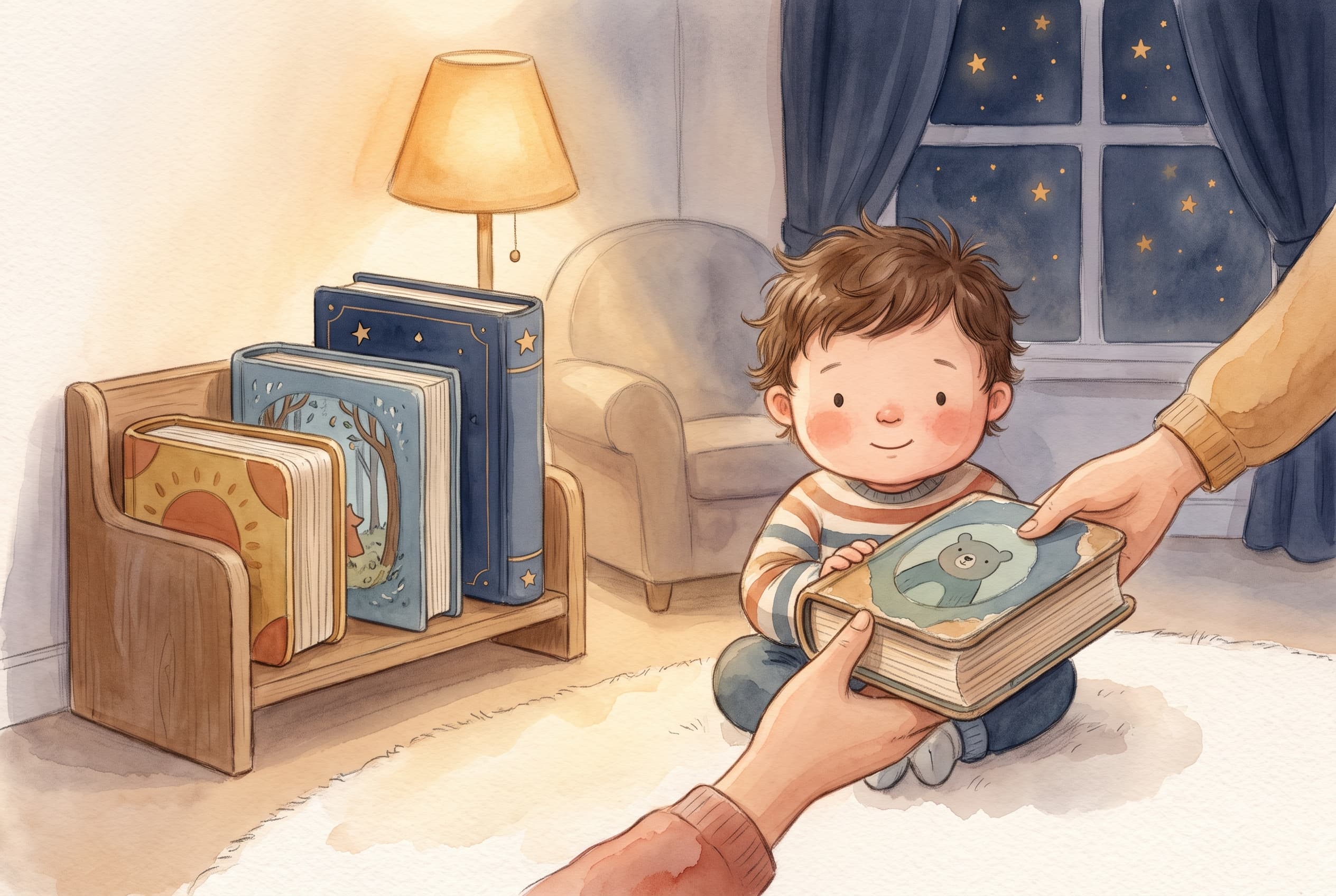
- 책장을 점검해 보세요. 우리 아이의 책들이 아이와 우리 가족의 모습을 담고 있나요?
- 거울이 되어 줄 책을 더해 보세요. 아이의 배경, 개성, 가족 형태를 닮은 주인공을 찾아보세요.
- 창문이 되어 줄 책을 더해 보세요. 우리와 다른 삶을 담은 이야기를 의도적으로 포함해 보세요.
- 진짜 나만의 책을 하나 만들어 보세요. 우리 아이의 이름이 실리고, 아이가 주인공으로 그려진 책이요.
다양성은 덤이 아니라 핵심입니다
모든 아이는 책을 펼쳐 그 안에서 자기 자신을 만날 자격이 있습니다. 우리가 이것을 아예 우리의 사명으로 삼은 이유이기도 합니다. 샘플 라이브러리에서는 매번 다른 아이가 주인공이 되고, 직접 만들면 주인공이 바로 우리 아이가 됩니다. 구색 맞추기용 조연이 아니라, 온전한 주인공으로요.
핵심 요약
- '거울책'은 아이가 자신을 만나고 이야기 속에 속해 있다고 느끼게 하며, '창문책'은 공감을 키웁니다.
- 이야기가 나와 상관있다고 느낄 때 아이는 더 많이 읽고 더 잘 기억합니다. 관련성이 초기 문해력을 이끕니다.
- 거울과 창문을 모두 의식적으로 갖춘 책장을 만들어 주세요.
- 맞춤 동화책은 가장 개인적인 거울입니다. 이름과 얼굴 그대로 우리 아이가 주인공이니까요.
자주 묻는 질문
아이 책에서 다양성과 자기 모습이 왜 중요한가요?+
자기와 닮은 주인공을 보면 아이는 자신이 이야기 속에 속해 있고 책 한 권을 가질 만큼 소중하다고 느낍니다. 이것이 자존감과 독서 몰입을 키웁니다. 그다음 다양한 '창문책'이 타인을 향한 공감을 길러 줍니다.
몇 살부터 이런 대표성이 중요해지나요?+
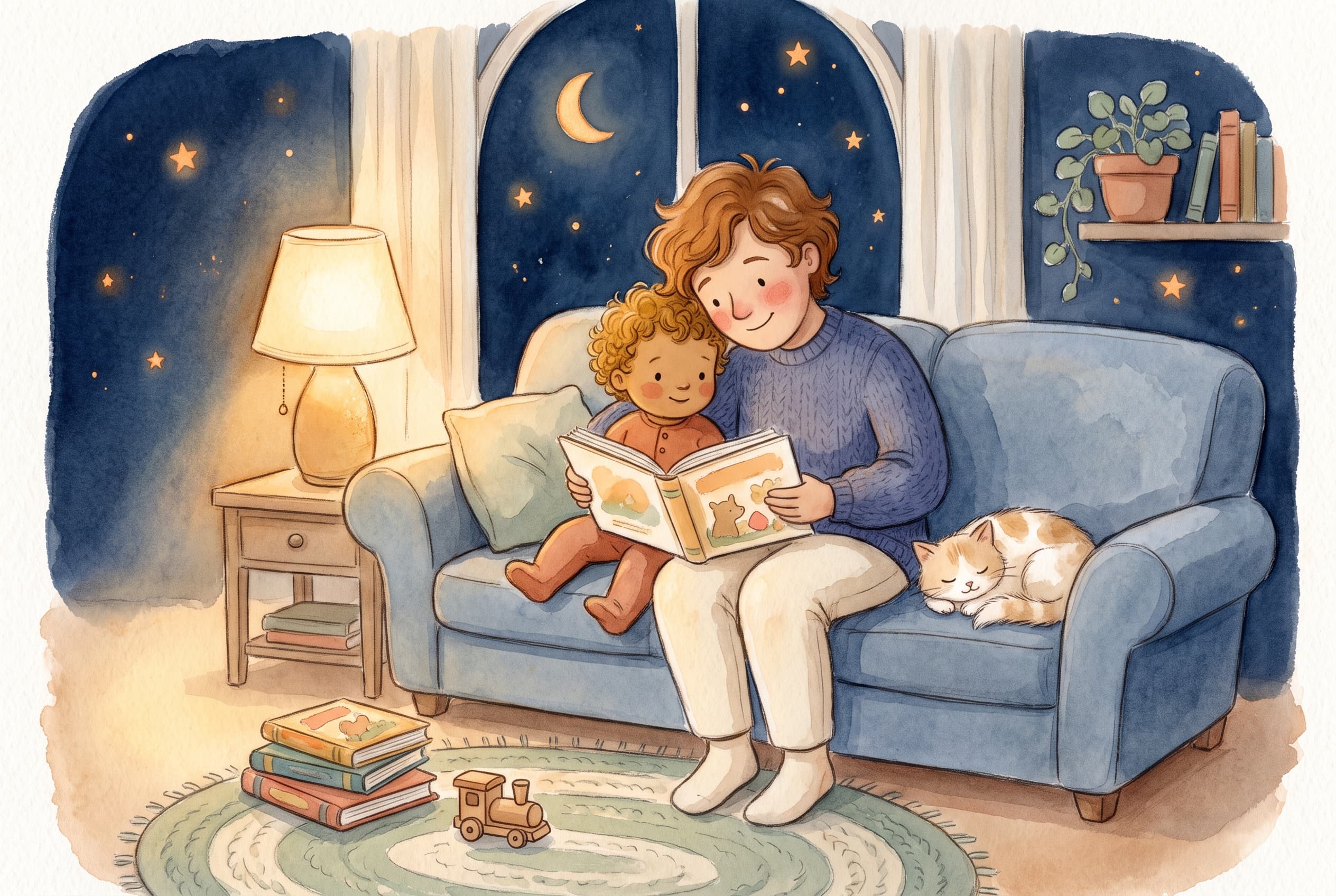
아주 이릅니다. 걸음마기 아이도 자기와 가족을 닮은 얼굴과 인물에 반응하며, 그 알아봄이 집중력과 책에 대한 애정을 키웁니다.
맞춤 동화책은 다양성 그림책과 어떻게 다른가요?+
다양성 그림책은 우리 아이의 정체성 일부를 공유하는 주인공을 담습니다. 맞춤 동화책은 우리 아이의 이름과 모습 그대로를 주인공으로 만듭니다. 세상에서 가장 개인적인 거울인 셈이죠.
작성 The Hello Storybook Team, 부모이자 작가, 그리고 이야기꾼.
← 전체 글