Hvis barnet ditt plutselig ikke vil sove uten at alle lysene står på, gjør du ingenting galt – og det gjør ikke barnet heller. Mørkeredsel dukker nesten alltid opp fordi fantasien vokser raskere enn evnen til å resonnere med den. Det gode er at dette er en av de mest håndterbare frykttypene i småbarnsårene. Her er hva som skjer, og hva som hjelper varsomt, alder for alder.
Hvorfor barn blir redde for mørket
Mørkeredsel dukker vanligvis opp mellom to- og seksårsalderen, akkurat når fantasien blomstrer. Barnet ditt kan nå se for seg ting som ikke er der – noe som er herlig i lek, men litt upraktisk klokka åtte om kvelden. Mørket fjerner det synlige beviset på at rommet er trygt, og da fyller fantasien tomrommet. Det er et tegn på sunn utvikling, ikke et tilbakeskritt.
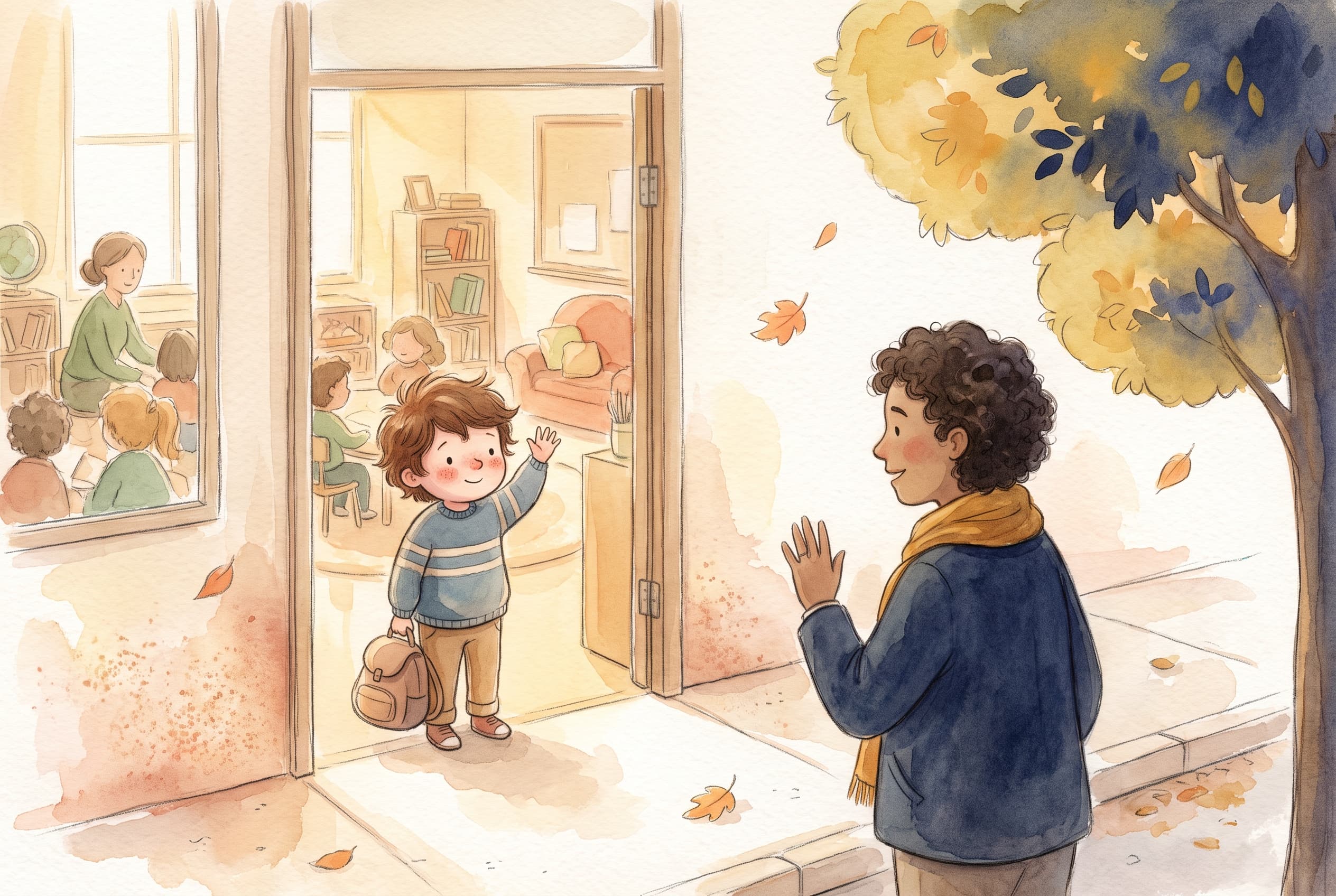
Mot er ikke fravær av frykt – det er å gjøre den neste lille tingen likevel. Barn som lærer dette ved leggetid, tar det med seg videre til første barnehagedag, nye søsken og hvert eneste skummelt-men-greit-øyeblikk som venter.
Dette hjelper i alle aldre
- Ta frykten på alvor. «Det er ingenting der» avslutter samtalen; «Det høres skummelt ut – fortell meg om det» åpner den.
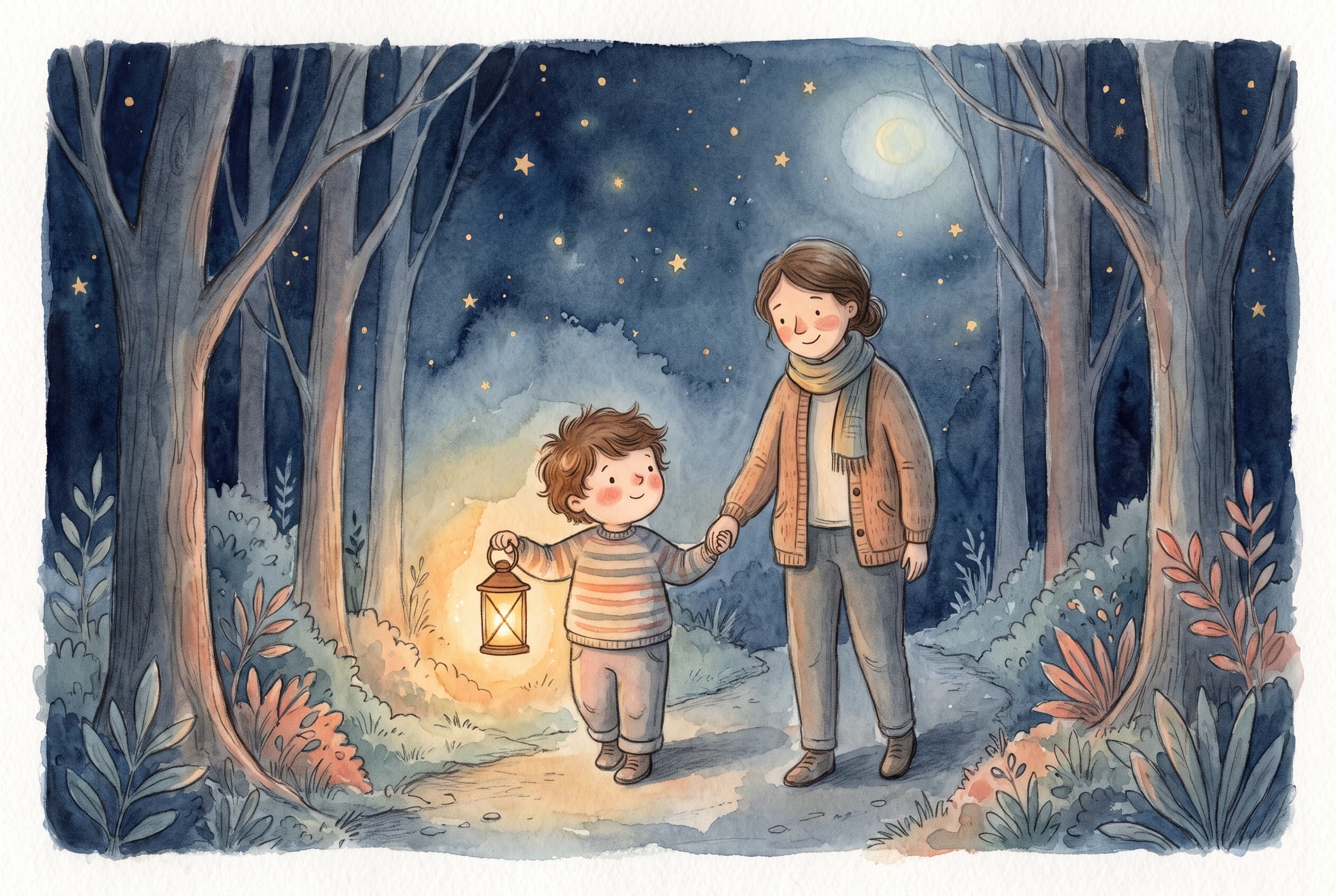
- Gi barnet en oppgave. En lommelykt, en modig kosebamse eller en nattlampe barnet selv styrer, gjør en passiv frykt til noe aktivt de kan mestre.
- Hold nedtrappingen kjedelig forutsigbar. En fast leggerutine forteller nervesystemet at natten er trygg.
- Sett ord på følelsen, og deretter på planen. «Du er redd. Slik gjør vi når vi er redde.»
Småbarn (2–3 år): hold det enkelt og konkret
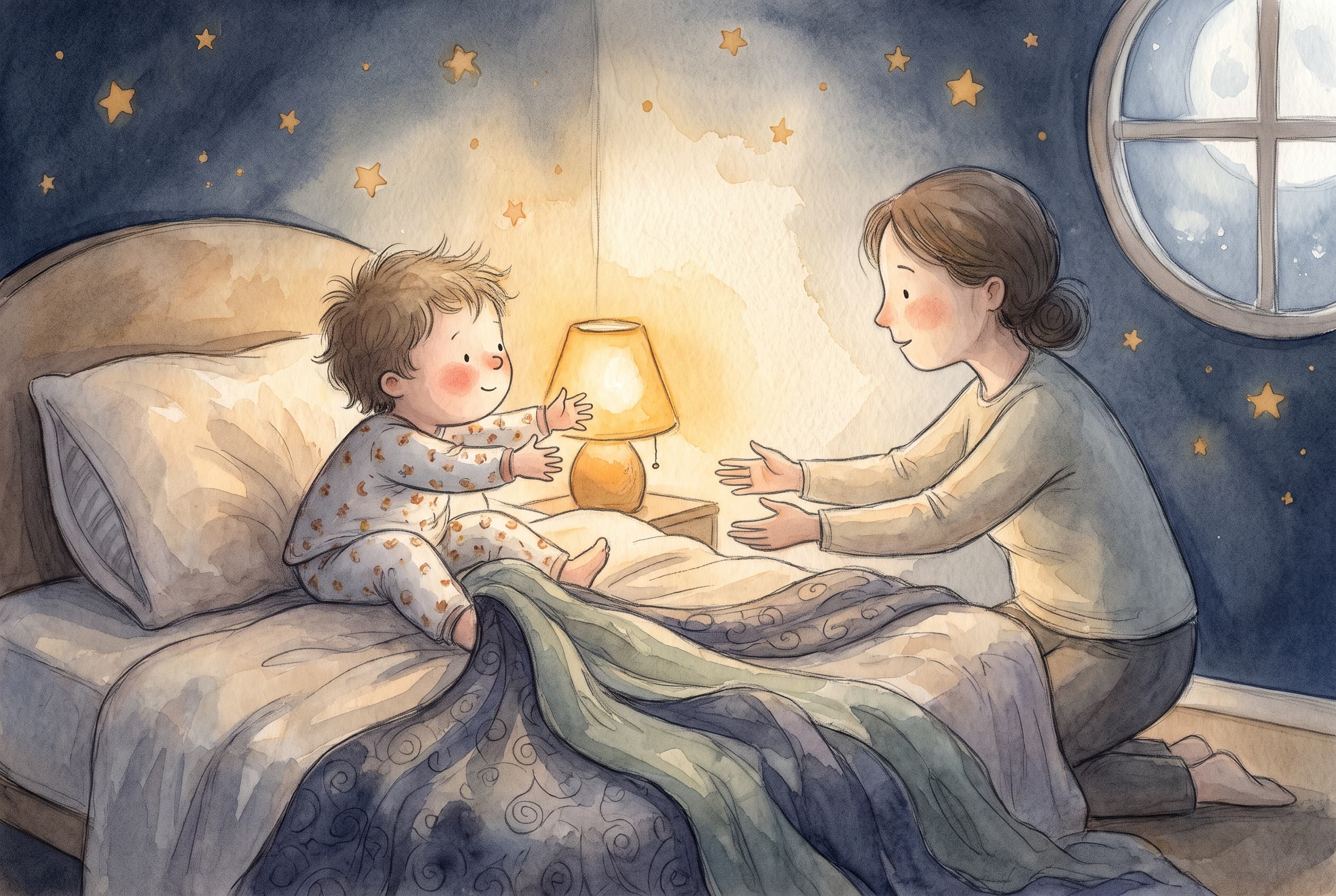
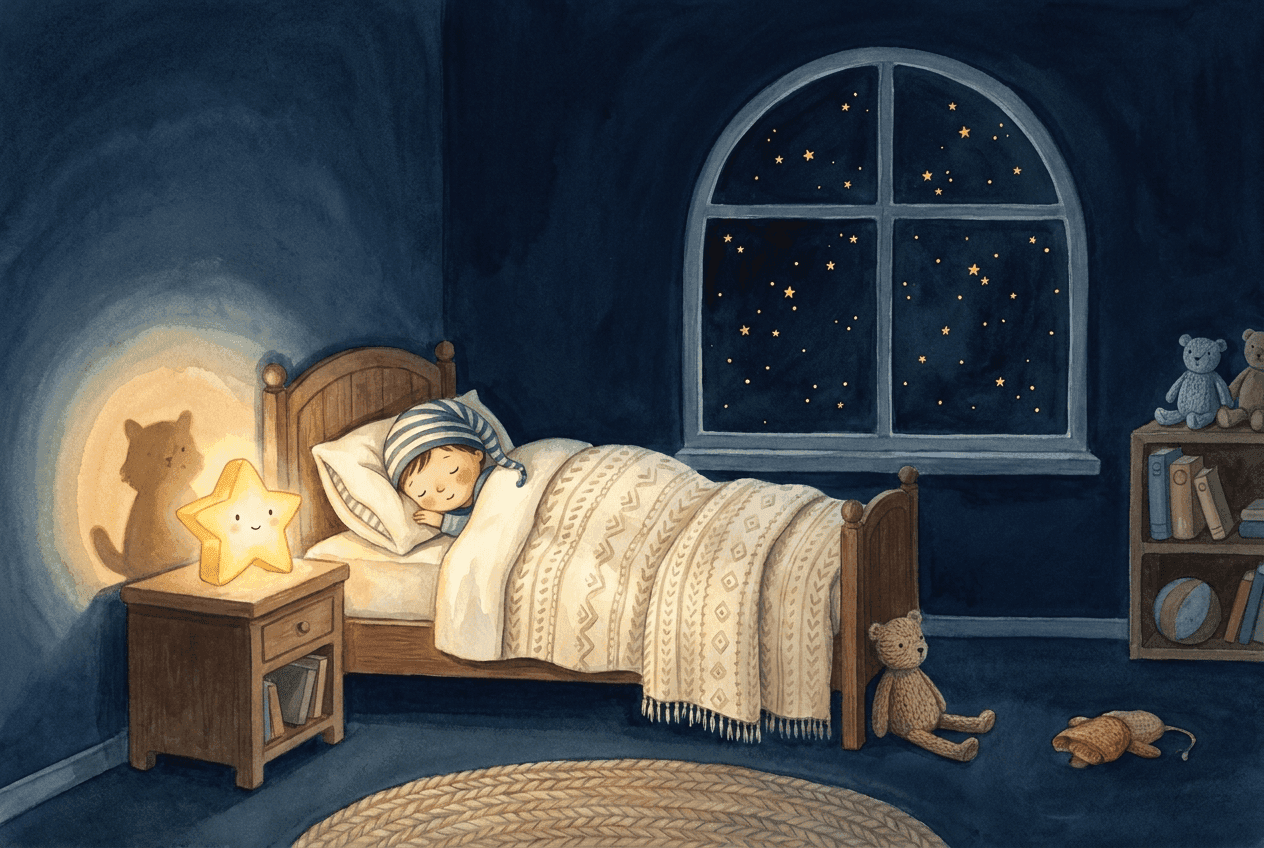
Småbarn lar seg ikke fornufte ut av en frykt, så led an med trygghet og kontroll. En myk nattlampe, en kjær «vaktbamse» og en fast godnattfrase gjør mer enn noen forklaring. Hold din egen stemme lav og rolig – de låner roen din.
Barnehagebarn (3–5 år): gi frykten en fortelling
Dette er gullalderen for fortellinger, for barnehagebarn tenker i historier. En godnatthistorie der et barn akkurat som dem blir redd og så velger å være modig, gir dem et manus å følge. Nettopp derfor setter våre godnatthistorier om mot barnet i heltens sete – når de har sett seg selv være modige på siden, kan de låne det motet i mørket.
Tidlig skolealder (6–8 år): bygg ekte mestring
Større barn tåler en varsom plan. La dem vurdere frykten fra én til ti, velge sine egne «modig-verktøy», og legge merke til nettene den krymper. Ros innsatsen, ikke bare resultatet – «du ble liggende i din egen seng og brukte lommelykta» slår «flink som ikke var redd».
En enkel leggerutine som demper frykt
- Demp lyset 30 minutter før leggetid for å sette i gang søvnhormonene.
- Samme tre steg hver kveld (bad, bok, kos) – det forutsigbare er beroligende.
- Les en historie der helten møter mørket og klarer seg fint.
- Gå ut med en fast godnattfrase og en nattlampe barnet selv styrer.
- Hvis de roper, hold returene korte, kjedelige og trygge.
Når du bør snakke med legen
Det meste av nattefrykt gir seg med tålmodighet og rutine. Men hvis den varer i måneder, blir verre, sprer seg til dagtid eller kommer sammen med vondt i magen og panikk, er det verdt en prat med legen – noen ganger er mørkeredsel egentlig en bekymring i forkledning.
Kort oppsummert
- Mørkeredsel er et normalt tegn på en voksende fantasi, som regel mellom 2 og 6 år.
- Anerkjenn frykten, og gi så barnet en aktiv oppgave (nattlampe, lommelykt, modig bamse).
- Barnehagebarn responderer best på historier – å se en helt som seg selv være modig gir dem et manus.
- Hold en forutsigbar nedtrapping; kontakt lege hvis frykten er intens, langvarig eller sprer seg til dagtid.
Ofte stilte spørsmål
Er det greit å la barnet sove med nattlampe?+
Ja. En varm, dempet nattlampe er et sunt trygghetsverktøy. Velg gjerne ravgule eller røde toner fremfor sterkt blått lys, og la barnet føle at det har litt kontroll over den.
Bør jeg sjekke under sengen etter monstre?+
Anerkjenn følelsen heller enn å bekrefte monsteret. Prøv et «modig-verktøy» barnet selv styrer – en lommelykt eller en vaktbamse – så de lærer at de kan takle mørket på egen hånd.
Kan en godnatthistorie faktisk hjelpe mot mørkeredsel?+
Ja – barnehagebarn tenker i fortellinger. En historie der et barn som dem blir redd og velger å være modig, gir barnet et manus det kan låne når lyset slukkes.
Skrevet av The Hello Storybook Team, Foreldre, skribenter og fortellere.
← Alle innlegg