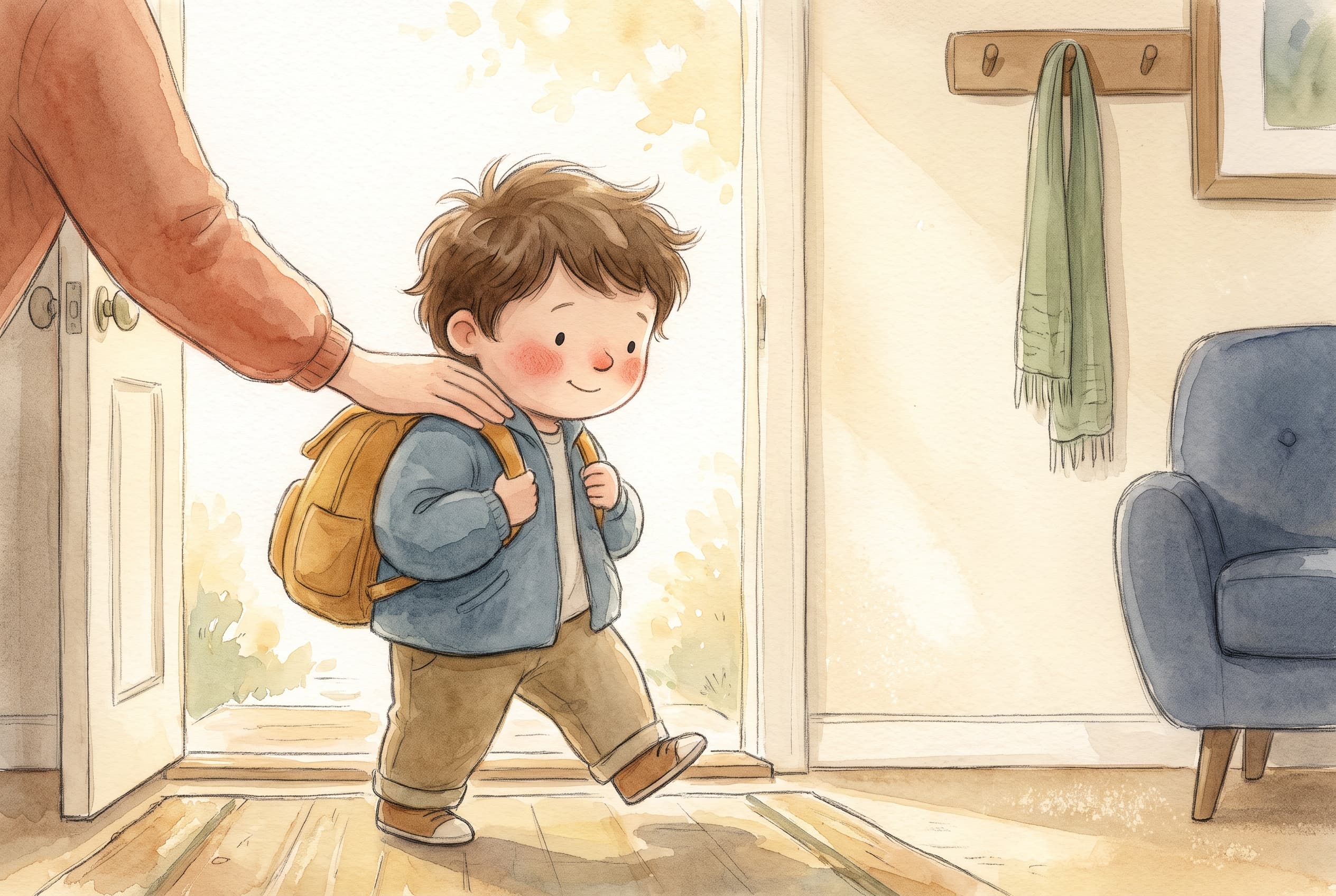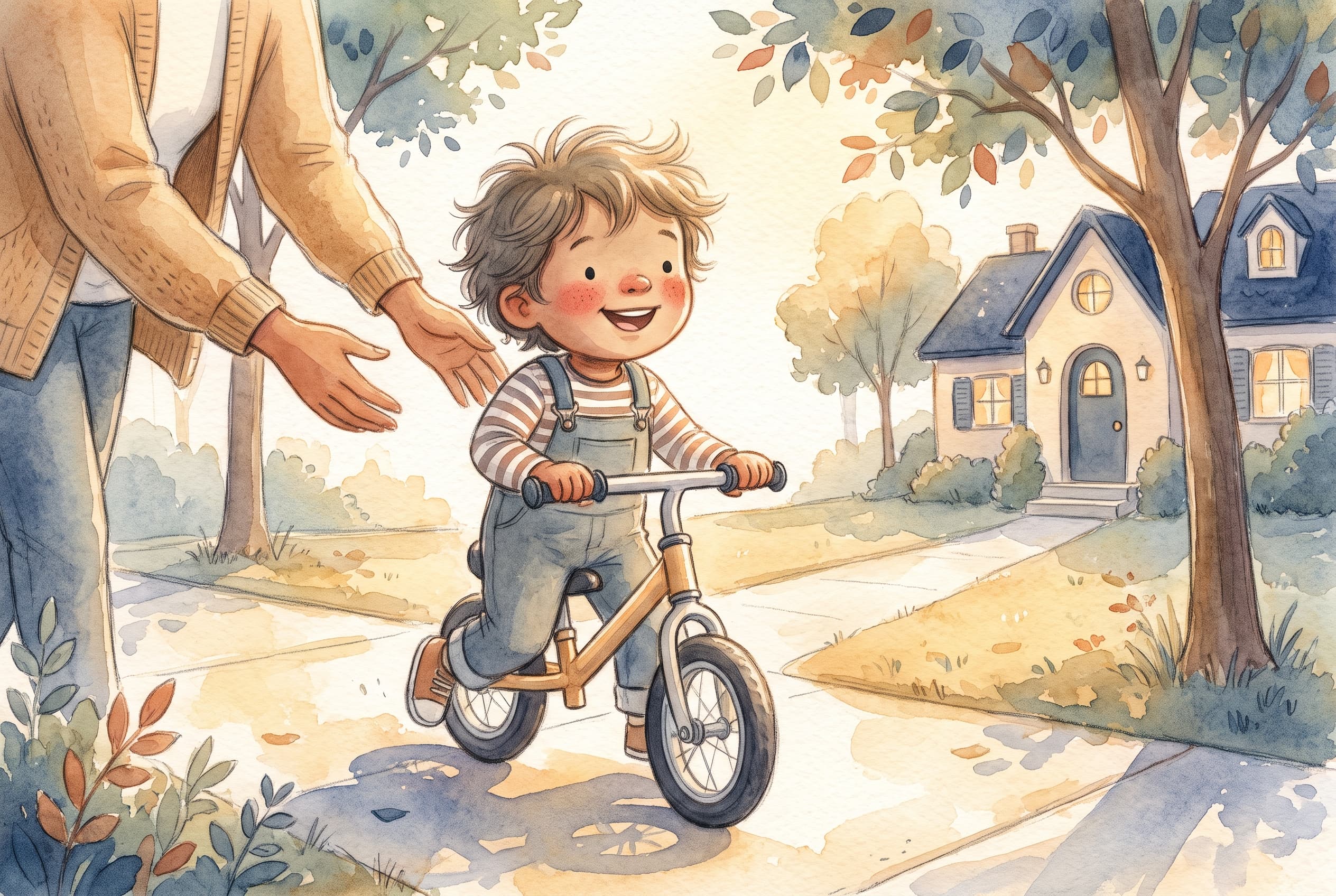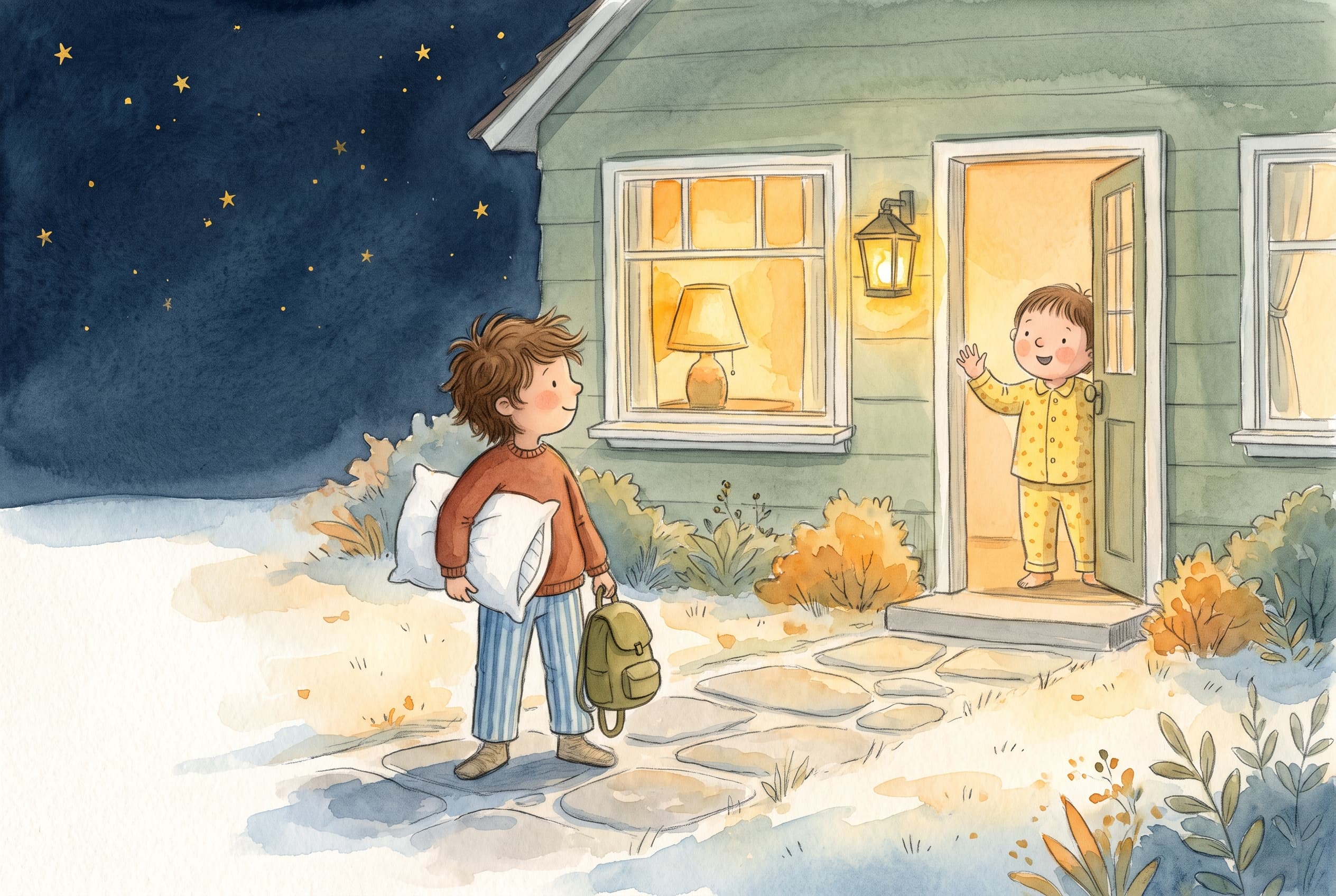
The first sleepover is a strange little milestone. There's no set age, no report card, no pediatrician checkbox — just a gut question that keeps you up at night: is my child actually ready to sleep somewhere that isn't home? The honest answer is that readiness has almost nothing to do with age and almost everything to do with a handful of skills and feelings you can actually observe. This first sleepover checklist walks you through the real signs of readiness, what to pack, how to prep both kids, and how to handle the 10pm 'come get me' call without shame.
There's no magic age — look for readiness instead
Some kids are thrilled to sleep out at five. Others want their own bed until they're nine, and both are completely normal. Age is a weak predictor because sleepovers test emotional regulation, not maturity in years. Instead of asking 'how old should they be,' ask whether your child can handle the specific things a night away actually requires.
Watch for these signs over a few weeks, not a single good day. Readiness tends to show up quietly and consistently rather than in one brave announcement.
- They've happily spent an evening or napped at the host's home before
- They can fall asleep without you physically in the room most nights
- They can use an unfamiliar bathroom and speak up when they need something
- They recover from small disappointments without total meltdown
- They're the one asking to go — not just going along with a friend's idea
Not sure yet? Try a 'lateover' — your child stays for the fun, pajamas, and a movie, then you pick them up at 9pm. It removes the hardest part (sleeping away) while giving them a real taste of independence and a win to build on.
The first sleepover checklist: what to pack
Packing is where you quietly set your child up to succeed. The goal isn't to cover every scenario — it's to send along the small comforts and practical items that prevent a bad moment from becoming a phone call. Keep it to one small bag they can carry themselves.
- Pajamas plus one backup set (accidents and spills happen)
- Toothbrush, toothpaste, and any nightly medication with clear instructions
- A comfort item — lovey, blanket, or a favorite book from home
- A nightlight if they use one; don't assume the host has one
- A change of day clothes and clean underwear
- A water bottle and a note with your phone number tucked in the bag
- Anything for wetting the bed if that's still a possibility — pack it privately and tell your child it's no big deal
Talk to the host parent before you say yes
This conversation matters more than the packing list, and it's easy to skip because it feels awkward. A five-minute chat with the other parent tells you almost everything about whether the night will go well. You're not being difficult — good host parents expect these questions.
- Who will be home overnight, and will kids be supervised?
- Are there pets, pools, or older siblings your child should know about?
- What's the plan for screens and movies — and are there ratings you'd flag?
- Are there firearms in the home, and are they locked and stored separately from ammunition?
- Is it okay for you to be reachable if your child wants to come home?
Frame it warmly: 'This is her first sleepover, so I'm a little nervous — mind if I ask a couple of things?' Most parents will appreciate that you care, and you're modeling the same openness you'd want if the sleepover were at your house.
Prep your child so nothing feels like a surprise
Kids cope best when they know what to expect. In the days before, walk through the evening out loud: dinner, games, brushing teeth, lights out, and what morning will look like. Naming the sequence turns a big unknown into a familiar story. This is the same principle behind building a bedtime routine that actually works — predictability is what lets a child relax.
Give them a concrete plan for the hard moments too. Teach them one simple sentence to use if they feel worried: 'Can you call my mom?' Agree on it out loud so they know asking is allowed. Kids who feel trapped panic; kids who know there's an exit rarely need to use it. If your child tends toward worry at bedtime, a little advance work on nighttime fears and the dark can pay off here.
“The bravest thing you can give a nervous child isn't a pep talk — it's permission to come home. Knowing the door is open is usually what lets them stay.”
— A veteran elementary school counselor
Handling the midnight call home
Sometimes it all falls apart at 10pm anyway. That's not a failure — for your child or for you. A child who asks to come home is showing good self-awareness, and how you respond shapes whether they'll try again. Stay calm, avoid disappointment in your voice, and go get them if that's the agreement you made.
The next morning, skip the post-mortem. Don't say 'I knew you weren't ready.' Instead, celebrate what did go well: 'You stayed for the whole party and brushed your teeth at someone else's house — that's a big deal.' Readiness is a ladder, not a switch. Most kids who tap out on their first attempt succeed within a try or two once the mystery is gone.
Build confidence in the weeks leading up
You can grow sleepover readiness the same way you'd build any other skill — one small, low-stakes rep at a time. Practice sleeping over at grandparents' or a trusted relative's house first. Let your child fall asleep independently at home. Read stories about brave kids handling new situations, which gives them language and a sense of 'I can do this' before the real night arrives.
This is where a personalized story earns its keep. When a child sees a character who looks like them being brave in a new place, it rehearses the feeling in advance. A courage story starring your own child — packing a bag, saying goodnight, waking up proud in the morning — turns an abstract worry into a picture they can hold. You can make one in a few minutes and read it together the week before the big night.
When to wait a little longer
There's no prize for going first. If your child still needs you in the room to fall asleep, gets deeply anxious away from home, or is going only because a friend pressured them, it's perfectly fine to wait a season. Say so plainly and without apology: 'I think we'll do this when you're a bit older — and that's okay.' Pushing a not-ready child rarely speeds things up; it usually just adds a scary memory. The milestone will still be there when they're ready to climb toward it.
要点回顾
- Readiness is about skills and feelings, not a specific age — watch for independent sleep, bathroom confidence, and your child actually wanting to go.
- Use a first sleepover checklist to pack comfort items and talk to the host parent about supervision, screens, pets, pools, and safely stored firearms.
- Give your child a plan and a phrase to ask for a pickup; knowing the door is open is usually what lets them stay.
- A midnight call home isn't a failure — celebrate what went well and try again in a few weeks.
常见问题
What age should a child have their first sleepover?+
There's no set age. Many children are ready between 6 and 9, but readiness depends on whether your child can fall asleep independently, use an unfamiliar bathroom, handle small disappointments, and genuinely wants to go — not on their age in years.
What should I pack for my child's first sleepover?+
Pack pajamas plus a backup set, a toothbrush and any medication, a comfort item like a lovey or favorite book, a nightlight, a change of clothes, a water bottle, and a note with your phone number. Keep it to one small bag they can carry themselves.
What if my child wants to come home in the middle of the night?+
Go get them calmly and without disappointment. Asking to come home shows good self-awareness. The next day, praise what went well rather than dwelling on leaving. Most kids succeed on their second or third attempt once the mystery is gone.
撰文 The Hello Storybook Team, Parents, writers & storytellers.
← 全部文章