When a child is nervous about starting school or facing a big change, the right gift isn't about distraction — it's about connection. A good separation anxiety gift gives a worried child something to hold, look at, or squeeze when you can't be there. This guide walks through comfort gifts that genuinely help kids under 10 feel braver, from transitional objects to keepsakes that carry a little bit of home into the classroom.
Every kid processes worry differently. Some go quiet, some get clingy, some melt down at the door. The gifts below aren't magic, but each one gives an anxious child a concrete, physical anchor — a way to feel your love in their pocket when the day feels big.
Why the right separation anxiety gift actually works
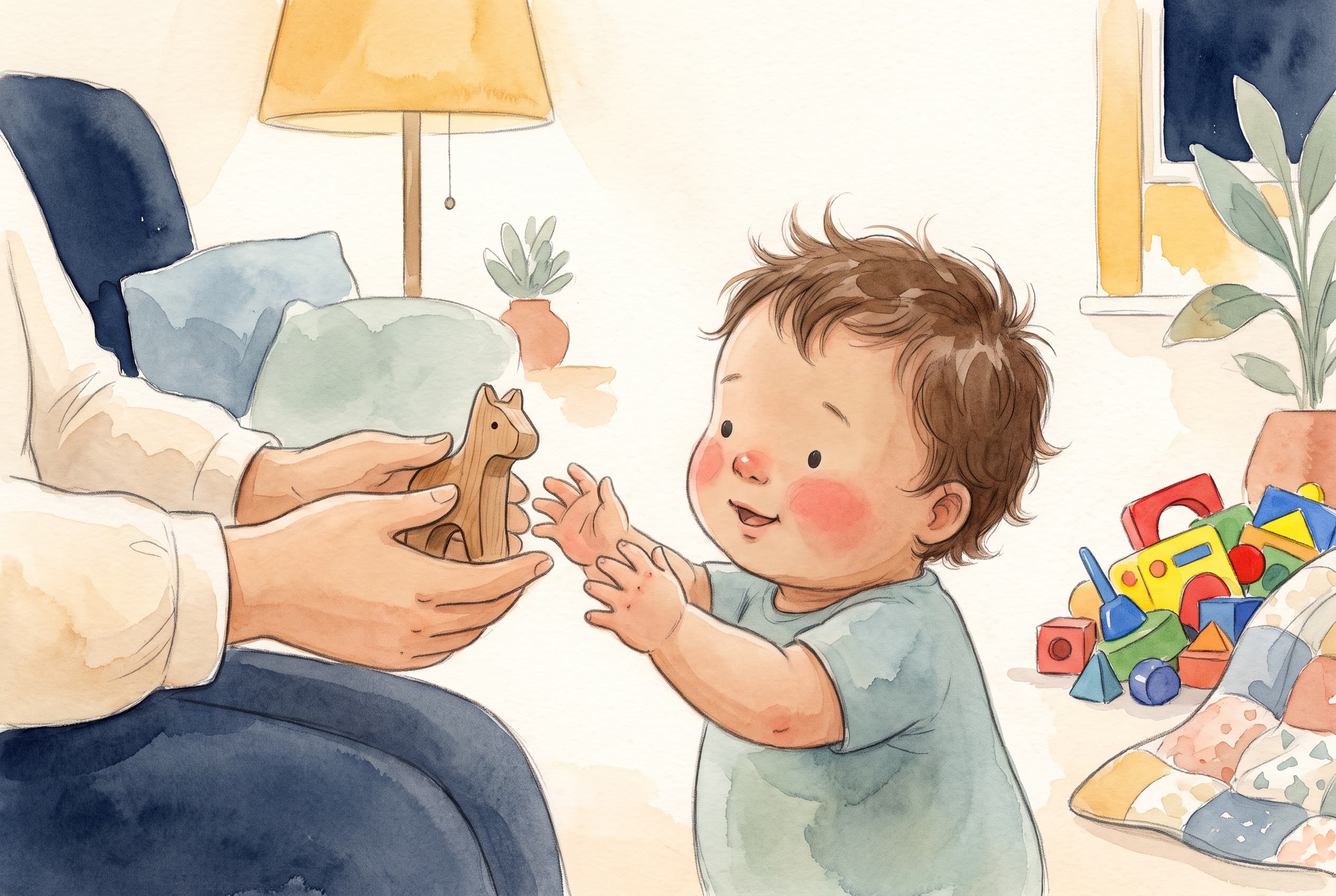
Child psychologists call comfort items "transitional objects" — something that bridges the gap between you and the wider world. A blanket, a photo, a special book: these stand in for your reassurance when a child is on their own. The item itself is small, but the message it carries is huge: I'm still with you, even when I'm not here.
That's why the best separation anxiety gift is one that a child can access on their own terms. It should be portable, soothing to touch or look at, and tied to a feeling of safety rather than to a screen or a sugar rush.
Ask: can the child reach for this without an adult's help, and does it make them feel closer to home? If yes on both counts, you've found something that will actually earn its place in a backpack.
Transitional objects: something to hold
For younger kids especially, a physical object they can grip is the fastest route to calm. The trick is picking something allowed at school and small enough to tuck away discreetly.
- A pocket-sized worry stone or smooth pebble to rub during nervous moments
- A tiny stuffed animal small enough to zip into a backpack pocket
- A "matching" pair — you keep one heart charm, they keep the other
- A laminated family photo for their cubby or lunchbox
- A soft wristband or bracelet you both wear as a reminder
Keep it low-key. A comfort object works best when it's the child's quiet secret, not something that invites questions from classmates.
Gifts that give kids a script for their feelings
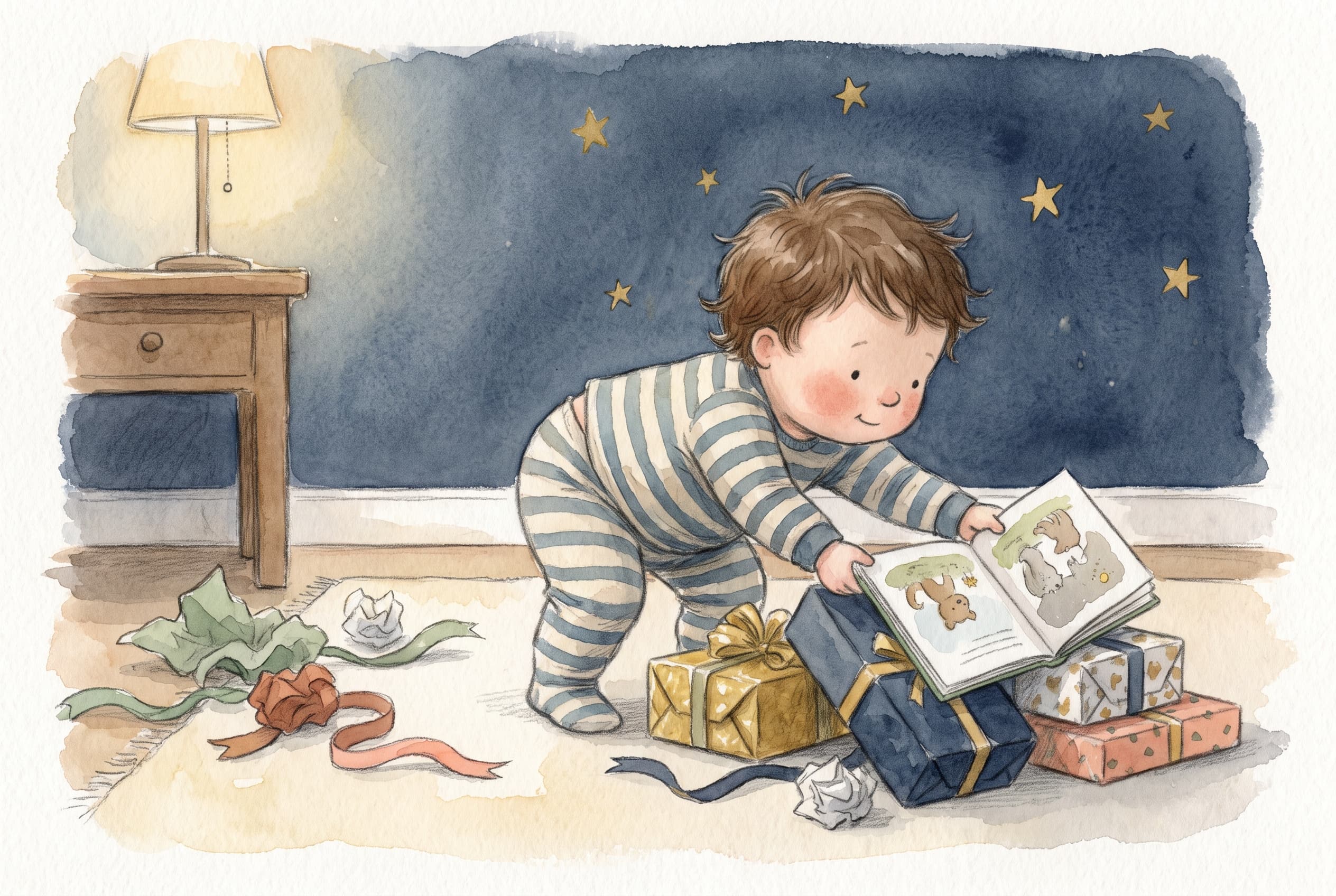
Anxious kids often don't have words for what's happening in their bodies. Gifts that help them name and manage those feelings pay off far beyond the first week of school. Books are especially powerful here — a story gives a child language and a sense that they're not the only one who's ever felt this way.
If your child struggles to talk about worry at all, pairing a comfort gift with the strategies in teaching young kids to name their feelings helps the gift do more than sit on a shelf. And if bedtime is when the worries surface, a calmer nighttime routine — like the one in how to build a bedtime routine that actually works — often eases daytime anxiety too.
Comfort gifts by age
The same gift lands differently at three than at eight. Here's a rough guide:
- Ages 2–4: soft, huggable, and simple — a small lovey, a photo book of family faces, a blanket that smells like home
- Ages 4–6: something with a story or ritual — a picture book about a brave kid, a "goodbye" routine object like a hand-drawn kiss to keep in a pocket
- Ages 6–8: gifts that respect their growing independence — a journal, a special pen, a chapter book hero who conquers nerves
- Ages 8–10: subtle and grown-up — a discreet keychain charm, a note you tuck into their bag, a book that doesn't feel babyish
Gifts to skip
Not everything marketed as "calming" helps. A few things tend to backfire:
- Anything loud, flashy, or attention-grabbing at school
- Screens and apps — they distract but don't build coping skills
- Gifts that are too precious to actually use, out of fear they'll get lost
- Sugary treats framed as a reward for not crying
The goal is a tool the child reaches for, not a trophy they're afraid to touch.
A personalized story where they're the brave one
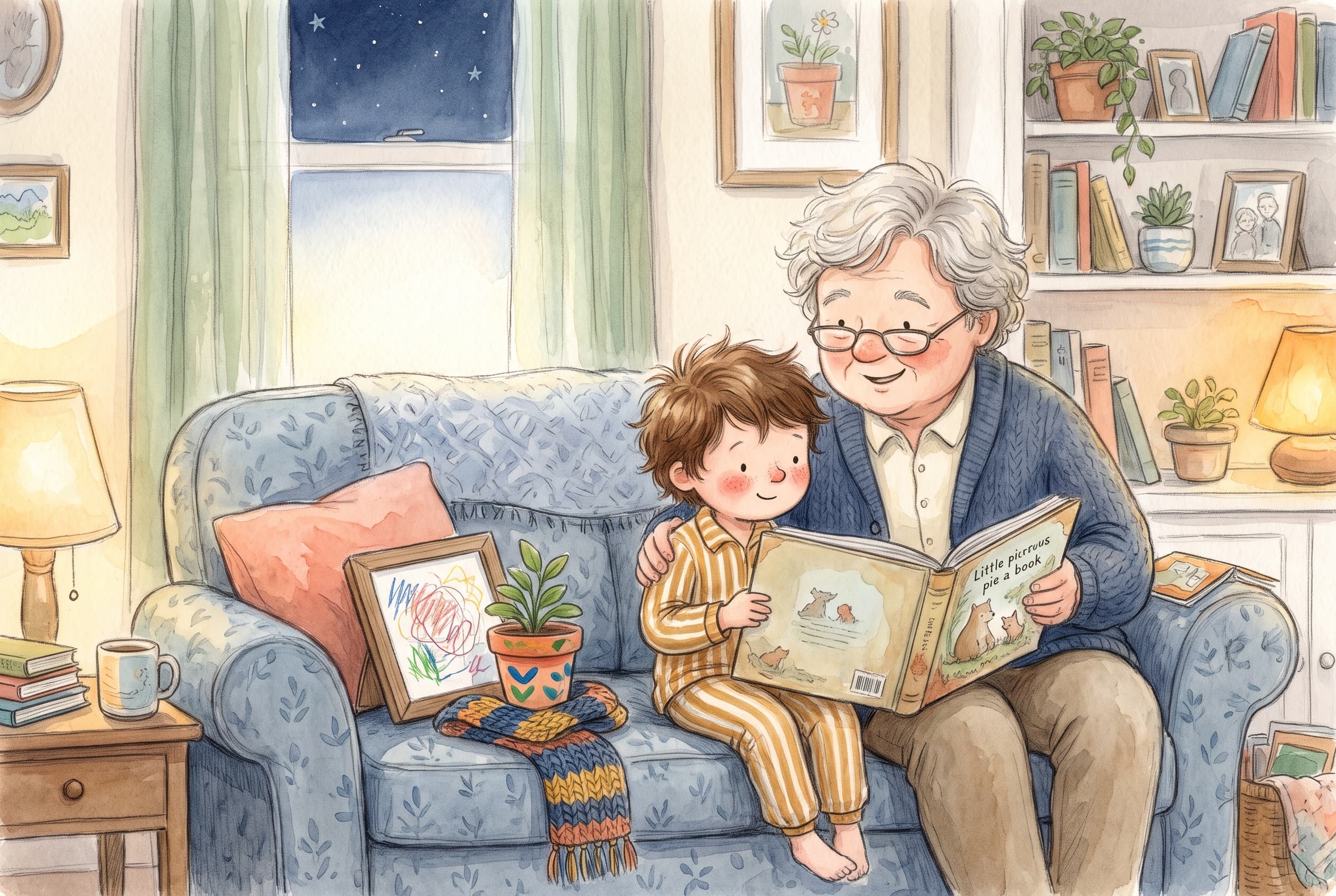
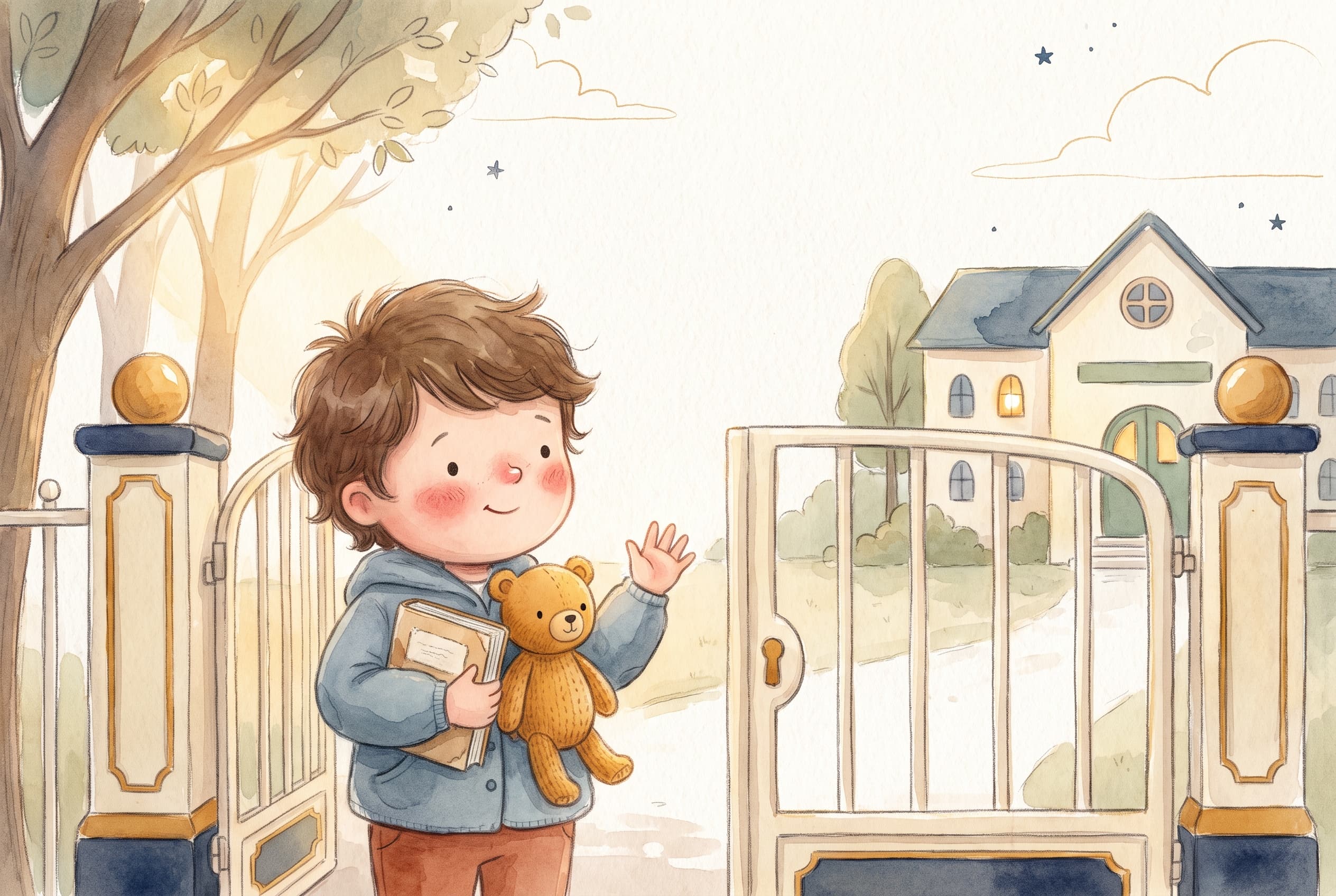
Of all the comfort gifts, a story where your child is the hero does something unique: it lets them rehearse being brave before the real moment arrives. When a nervous child sees a character who looks like them walk through the school doors, wobble, and come out okay, it becomes a script they can borrow on the hard days.
That's exactly what a first-day-of-school or courage story from Hello Storybook does — it puts your child's name and face on every page, so the child facing the scary thing on paper is unmistakably them. You can browse a few sample books to see how it reads, or start building one in a few minutes. Read it together in the calm days before the change, and it becomes both a comfort object and a confidence booster in one.
“The bravest kids aren't the ones who feel no fear — they're the ones who've been told, again and again, that they can do hard things.”
— A refrain worth repeating at the school gate
How to give a comfort gift so it lands
Timing and framing matter as much as the gift itself. Give it a day or two early, not in the frantic moment at drop-off. Explain what it's for in simple words: "When you miss me, you can hold this, and it means I'm thinking about you too." Then let the child lead — some will clutch it constantly, others will just like knowing it's there.
Key takeaways
- The best separation anxiety gift is portable, soothing, and tied to a feeling of home the child can reach for on their own.
- Transitional objects work because they stand in for your reassurance when you can't be present.
- Match the gift to the child's age — huggable for toddlers, subtle and grown-up for older kids.
- Give the gift early and explain its purpose so it becomes a genuine coping tool, not just a keepsake.
Frequently asked questions
What is the best gift for a child with separation anxiety?+
The best gift is a transitional object the child can hold or look at on their own — like a small lovey, a family photo, a matching charm, or a personalized book where they're the hero. It should be portable, comforting, and clearly connected to the feeling of home and your reassurance.
How do comfort objects help with school anxiety?+
Comfort objects act as a bridge between home and the classroom. When a child feels worried and you're not there, holding or seeing the object triggers a sense of safety and reminds them they're loved and coming home. This helps regulate their nervous system and eases the transition.
At what age do kids grow out of needing a comfort item?+
There's no fixed age — many children rely on comfort items well into the early school years and gradually need them less as their coping skills grow. Rather than removing the item, offer more grown-up versions like a keychain charm or a note, and let the child set the pace.
Written by The Hello Storybook Team, Parents, writers & storytellers.
← All stories