Learning how to choose a preschool can feel enormous — you're handing over a big chunk of your child's day to people you've just met. The good news: most of what matters is visible in an hour, if you know where to look and what to ask. This guide gives you the exact questions to bring on the tour, plus the quiet signals that tell you more than any glossy brochure ever could.
Before you compare programs, get clear on what you actually need. A preschool that's perfect for one family is wrong for another — not because it's a bad school, but because the fit is off. Your hours, your commute, your child's temperament, and your budget all shape the shortlist before you ever walk through a door.
Start by naming what your family actually needs
Write down your non-negotiables first. This keeps you from being swept up by a beautiful playground when the pickup time doesn't work for your job. Consider hours and flexibility, distance from home or work, cost and what's included, and how your specific child tends to respond to noise, transitions, and new people.
- Hours and calendar — do they match your work schedule and holidays?
- Ratios and group size — smaller is usually calmer for younger kids
- Philosophy — play-based, Montessori, Reggio, or academic-leaning
- Practical fit — commute, cost, meals, nap arrangements, potty policy
How to choose a preschool: the questions that reveal the most
On a tour, staff will happily tell you the highlights. Your job is to ask the questions that surface how the place runs on an ordinary Tuesday — not open-house day. These are the ones worth writing on your phone before you go:
- "What's the staff-to-child ratio, and how long have the teachers been here?" High turnover is a red flag; long tenure signals a healthy workplace.
- "Walk me through a typical day." Listen for a rhythm of free play, outdoor time, meals, and rest — not hour after hour of structured desk work.
- "How do you handle a child who's crying at drop-off?" You want warmth and a plan, not dismissiveness.
- "What's your approach to discipline and big feelings?" The best answers focus on coaching, not punishment.
- "How and when do you communicate with parents?" Ask about daily updates, incident reports, and how to reach a teacher.
- "What are your sick, allergy, and emergency policies?" Vague answers here are worth a pause.
- "How do you support kids through transitions like a new sibling or a move?"
Watch the room, not just the answers
What you see matters as much as what you hear. Are the children engaged and relaxed, or restless and waiting? Do teachers crouch to kids' eye level and speak gently, even when no one's watching the tour group? Is children's own artwork — messy, real, unmatched — on the walls, or only laminated store-bought posters? A room that belongs to the children usually feels a little imperfect, and that's a good sign.
“The single best predictor of a good preschool isn't the curriculum on paper — it's how the adults speak to children when they think you aren't listening.”
— A veteran early-childhood director
Ask about the transition into the classroom
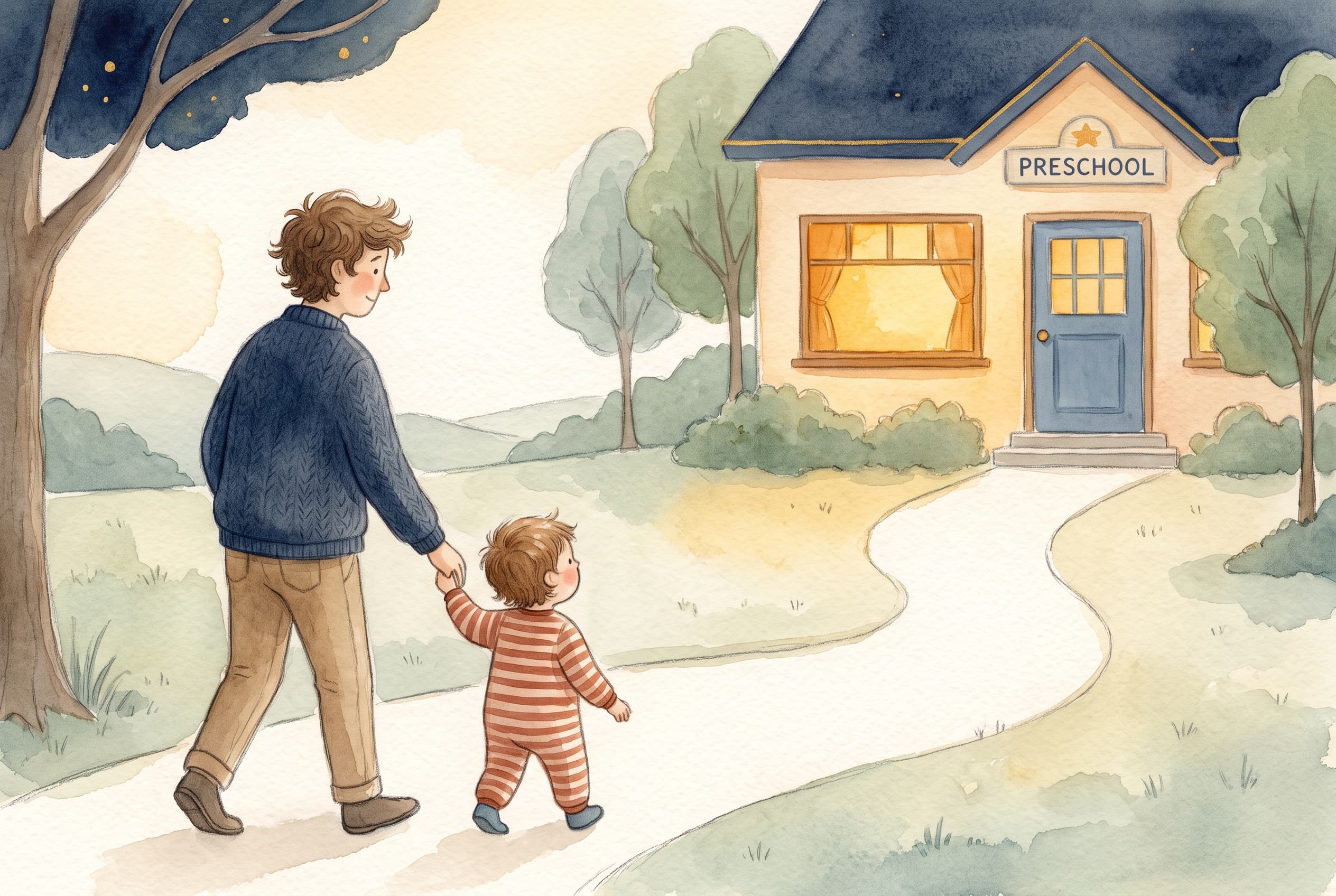
Great programs know that the first few weeks make or break a child's relationship with school. Ask how they handle phasing in — some offer shorter early days, a comfort-object policy, or a settling-in visit before the official start. If your child tends to hang back socially, this matters even more; our guide on helping a shy child make their first friend pairs well with these questions.
Visit twice if you can — once on a scheduled tour and once for a quick, unannounced pickup-time peek. The end of the day, when everyone's tired, tells you the truth about how a school holds it together.
Trust your gut, then check it against the details
You'll often leave a tour with a feeling before you can explain it. Honor that instinct, but then test it. If a place felt warm, was that because of one charismatic guide, or the whole staff? If something felt off, name it: was it the noise level, a locked-in kid, a dismissive answer about tears? Your intuition is data — pair it with your notes and you'll make a decision you can stand behind.
Help your child feel ready before day one
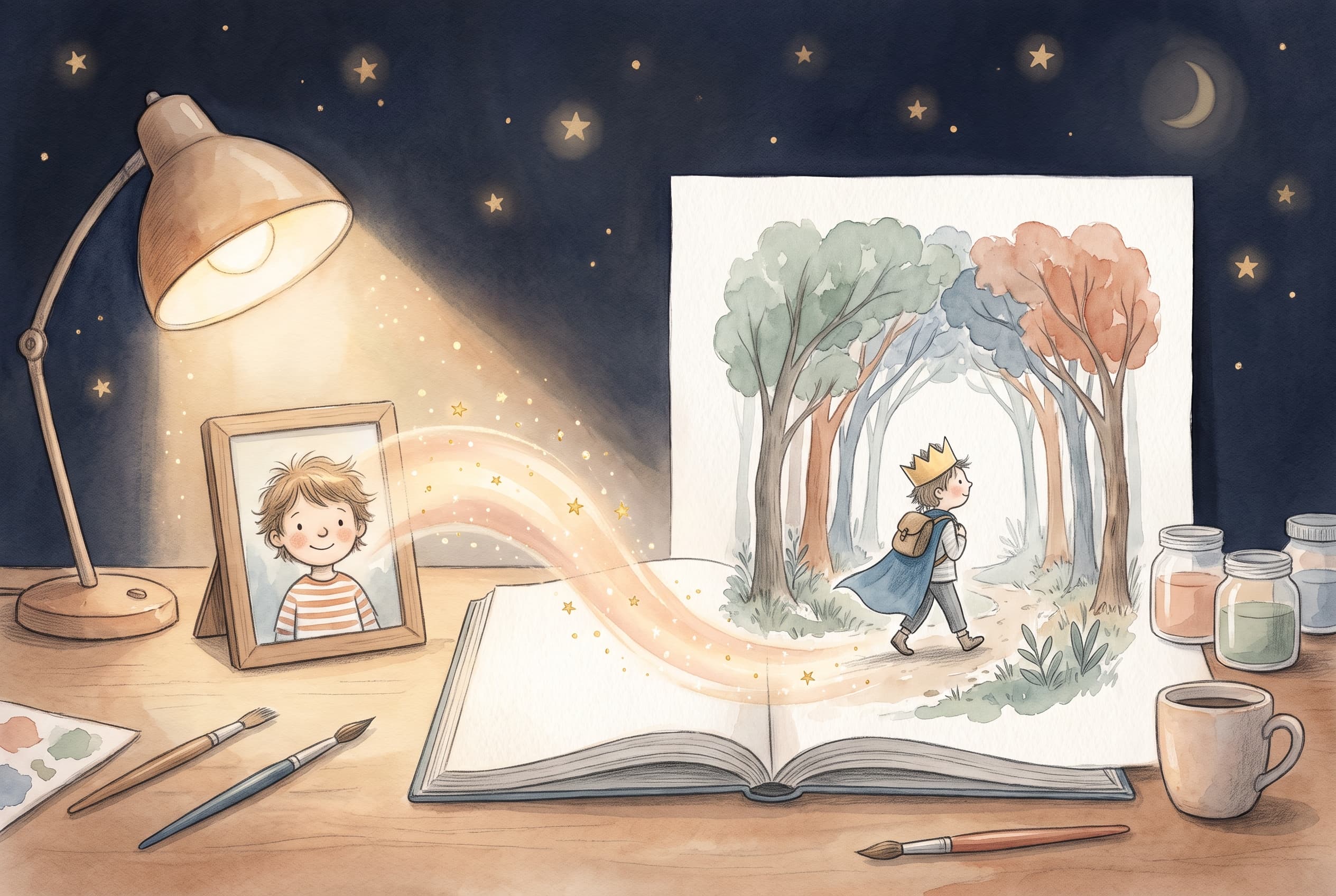
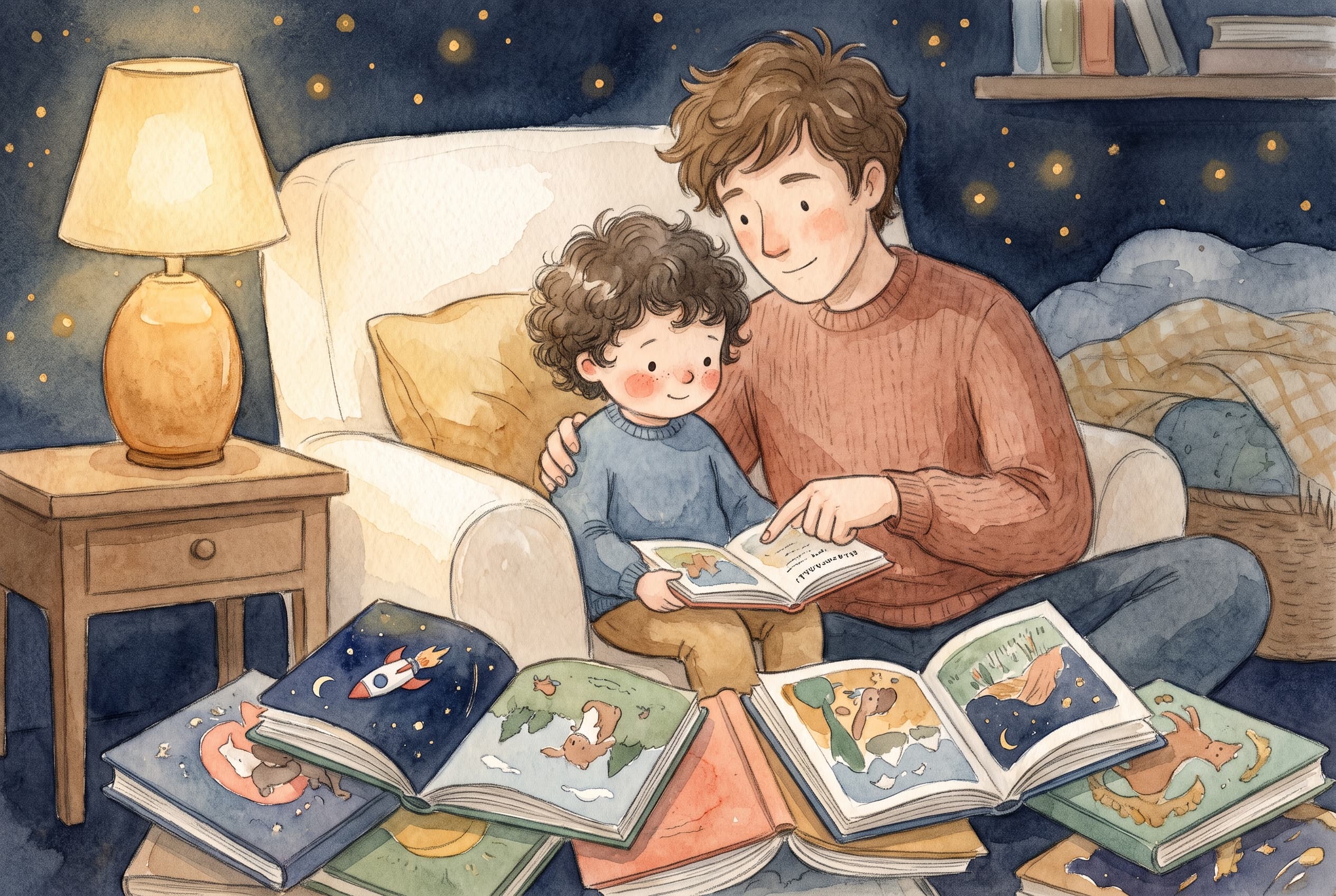
Once you've chosen, the work shifts to preparing your child emotionally. Talk about the new school in warm, concrete terms, do a practice drop-off if the school allows it, and read books about starting school together. A personalized story where your child is the hero walking bravely into their new classroom can make the abstract feel familiar — many families pair a first-day-of-school book with a tour visit so the building already feels like theirs. If jitters linger, our post on first-day-of-school nerves has more gentle scripts.
Put it all together
Choosing a preschool isn't about finding a flawless place — it's about finding the right fit for your child and your family, run by people who clearly like being around children. Bring your questions, watch the room, trust your read, and give yourself permission to keep looking if a place doesn't sit right. The goal is a school where your child feels safe enough to be curious.
A story to smooth the leap
Once you've picked the school, a personalized book starring your own child heading off to their first day can turn a scary unknown into an adventure they've already rehearsed on the page. Seeing themselves as the brave hero of the story makes the real building feel a little more like a place they belong. You can browse sample books to see how it works.
Take your time, take good notes, and remember: the best preschool is the one where your child is genuinely happy to walk through the door.
Key takeaways
- Define your family's non-negotiables — hours, ratios, commute, cost — before you tour, so you compare fit, not just features.
- Ask about a typical day, drop-off tears, discipline, and communication; how staff answer reveals more than any brochure.
- Watch how adults speak to children when no one's performing for the tour — that's the truest signal of a good program.
- Once you've chosen, prepare your child emotionally with practice visits and stories that make the new school feel familiar.
Frequently asked questions
What questions should I ask when touring a preschool?+
Ask about staff-to-child ratios and teacher turnover, what a typical day looks like, how they handle drop-off tears and big feelings, their discipline approach, how they communicate with parents, and their sick and emergency policies. The way staff answer often tells you more than the answers themselves.
At what age should I start looking at preschools?+
Many families begin touring 9–12 months before their desired start date, since popular programs fill early and often have waitlists. Aim to visit in the fall or winter for a following-fall start, and ask each school about their specific enrollment timeline.
How do I know if a preschool is right for my child?+
Look for a genuine fit: warm interactions between staff and children, a calm daily rhythm with plenty of play and outdoor time, engaged kids, and answers that reflect coaching over punishment. Trust your gut impression, then check it against your notes and, ideally, a second unannounced visit.
Written by The Hello Storybook Team, Parents, writers & storytellers.
← All stories