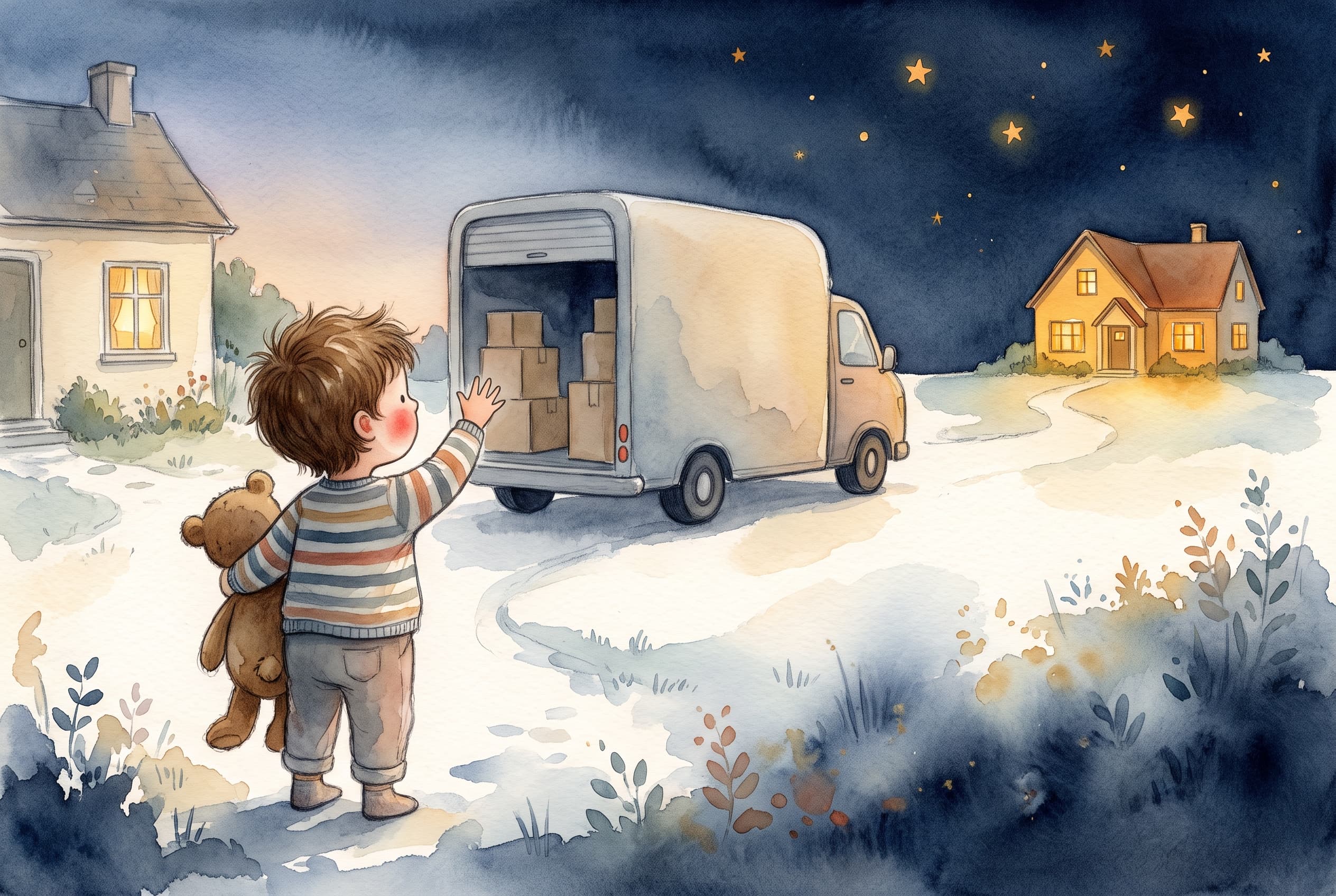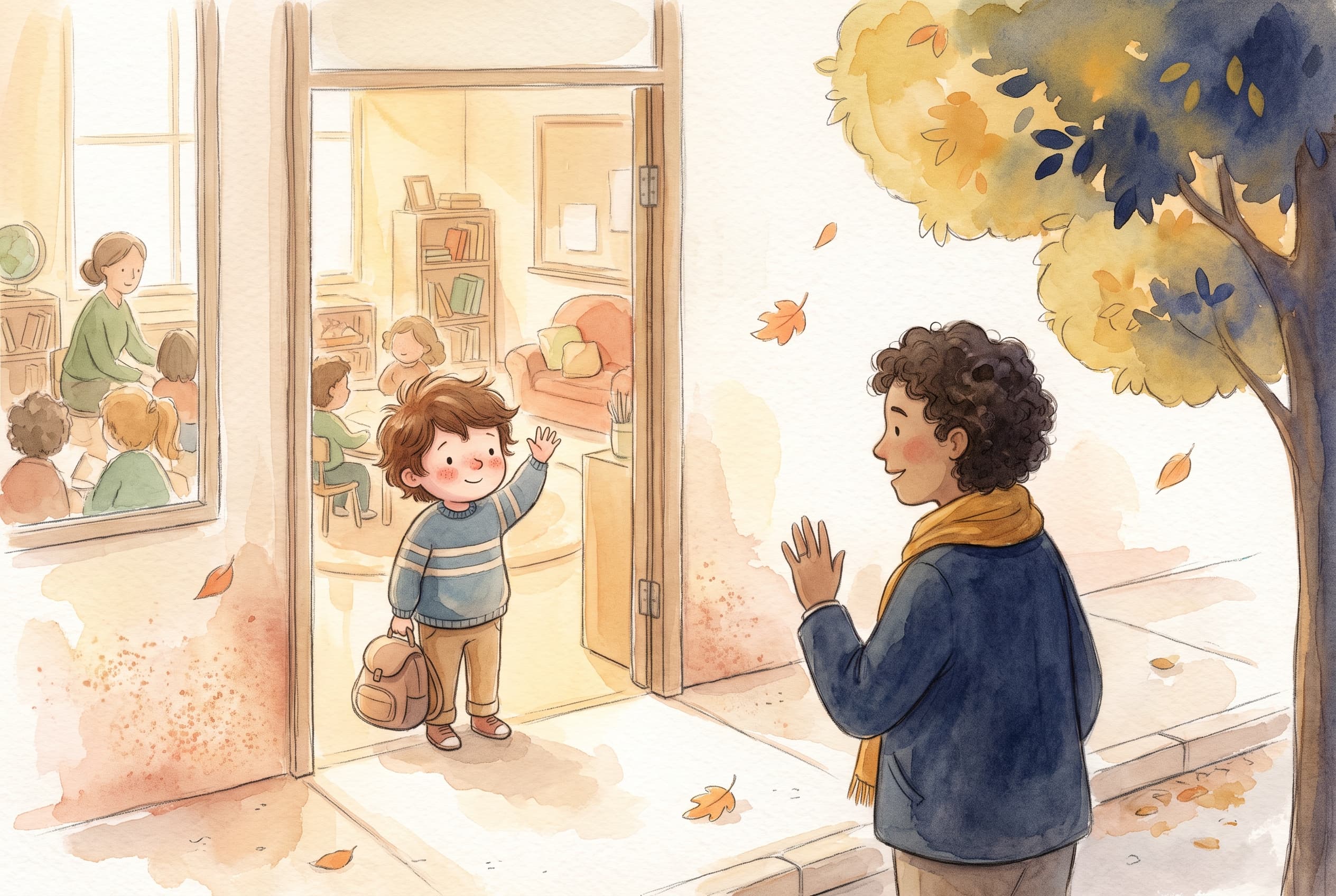
The clinging. The tears. The little hand that won't let go of your sleeve while a teacher gently pries it loose. If mornings have started to feel like emotional whiplash, you're not doing anything wrong — you're witnessing child separation anxiety at drop-off, one of the most normal (and hardest to watch) parts of early childhood. The good news: it responds beautifully to a calm, predictable, well-rehearsed approach. Here's how to make goodbyes shorter, kinder, and genuinely brave.
Why drop-off is so hard (and why that's healthy)
Separation anxiety isn't a sign of a spoiled child or a fragile one — it's a sign of secure attachment. Your child protests because you matter enormously, and their developing brain hasn't yet fully grasped that "gone for now" means "back later." This peaks around 10–18 months and often flares again around ages 3–4 with preschool, and even later with new schools or big life changes.
Understanding this reframes the whole scene. Those tears aren't a verdict on your parenting or the school. They're your child's love and trust, expressed in the only vocabulary a big feeling knows. Your job isn't to erase the feeling — it's to hold it steady while it passes.
Teachers will tell you: most kids who cry at goodbye settle within a couple of minutes of the parent leaving. Prolonged, drawn-out goodbyes usually make it worse, not better. A confident, loving exit is a gift to your child.
Build a goodbye ritual you repeat every single time
Predictability is the antidote to anxiety. When a child knows exactly what happens at drop-off — the same words, the same actions, the same order — the unknown shrinks and their nervous system can relax. Keep it short, physical, and identical every day.
- A specific phrase you always say: "I love you, I'll always come back, see you after snack."
- A tiny physical ritual: two hugs, a secret handshake, or a kiss on the palm to "keep in your pocket."
- A clear time anchor they understand: "after lunch" or "when you've had outside time" — not "at 3 o'clock," which means nothing to a four-year-old.
- One confident turn and walk. No sneaking out, no coming back for one more hug.
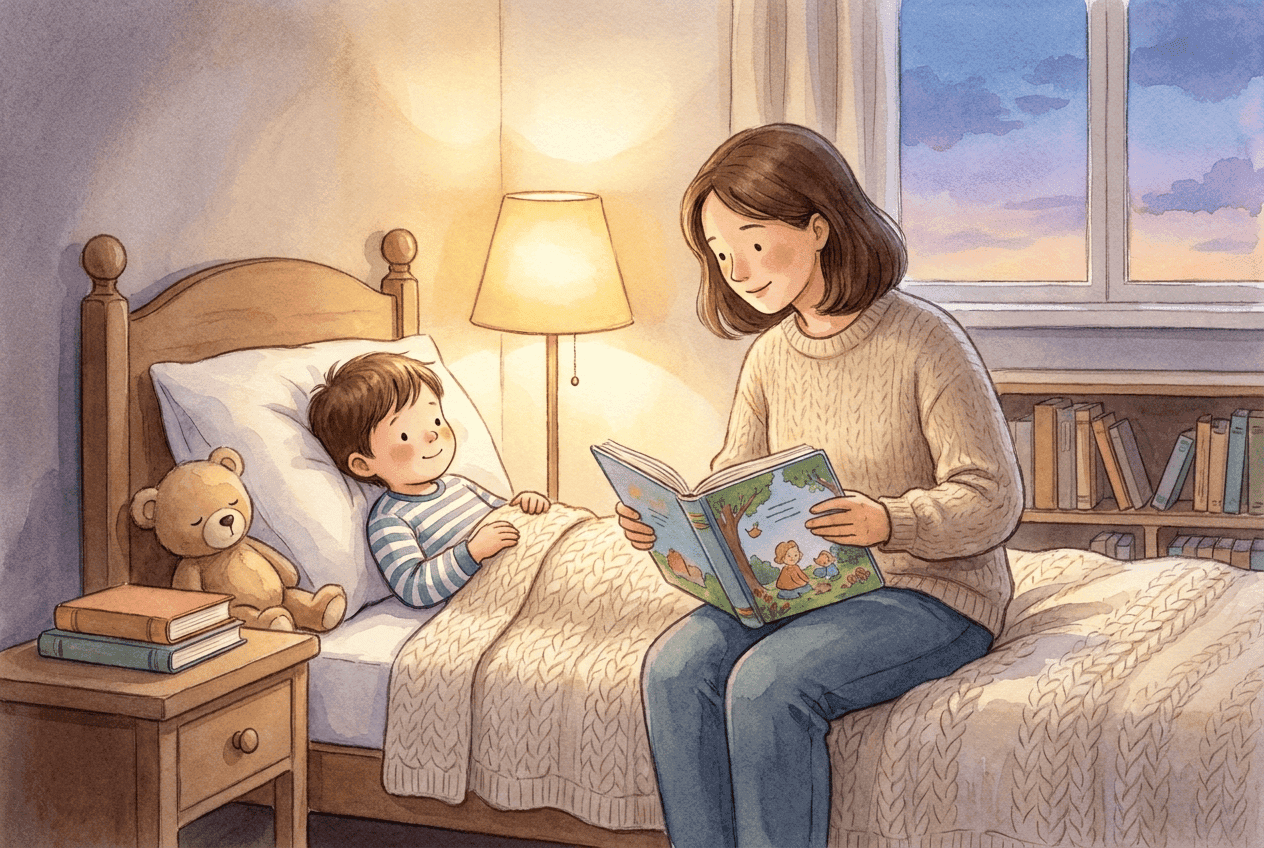
Rituals like this work the same magic as a good bedtime routine: the sequence itself becomes soothing, because the child's body learns what comes next.
Never sneak away — even when it's tempting
Slipping out while your child is distracted feels merciful in the moment, but it backfires. A child who turns to find you vanished learns that you might disappear at any second — which makes them cling harder and watch you more anxiously the next day. Always say goodbye, even if it triggers tears. Trust is built on the promise that you'll never just vanish.
Name the feeling before you leave the house
Anxiety shrinks when a child can put words to it. On the drive or walk in, gently narrate what's coming and how they might feel: "You might feel a little worried when I say goodbye. That's okay. The worried feeling gets smaller after I leave, and Miss Jordan will be right there." Giving big emotions a name is one of the most powerful tools you have — it's the same skill we cover in teaching young kids to name their feelings.
“You don't have to feel brave to be brave. Brave is doing the hard thing while the worried feeling is still there.”
— A line worth teaching your child
Practice separation in low-stakes moments
Don't let drop-off be the only time your child rehearses being apart from you. Build small, successful separations into ordinary days so the skill grows in a calm setting:
- Play peekaboo and hide-and-seek — literal practice that people come back.
- Leave the room briefly and call out, "I'll be right back!" then return as promised.
- Arrange short stays with a grandparent or trusted friend.
- Read stories about children who go somewhere, feel nervous, and are joyfully reunited.
Each successful reunion is deposited in your child's memory bank as evidence: goodbye is survivable, and I always come back. For bigger separations down the road, the same muscle helps — it's what gets kids ready for their first sleepover.
Give them a piece of home to hold
A transitional object bridges the gap between you and the classroom. A small photo in a pocket, a bracelet that matches yours, a heart drawn on the back of their hand — anything they can touch when they miss you. Many children settle faster when they carry something that says, tangibly, you belong to someone who's coming back.
Stories work this way too, and this is where a personalized book earns its place in the morning routine. When your child is the hero of a story about a brave goodbye — walking into a new room, feeling the worried feeling, discovering they can do hard things — they see their own face on a character who copes and wins. A Hello Storybook courage story starring your child gives them a mental script to borrow at the door: "I'm brave like in my book." Read it at bedtime the night before, and again the morning of, so the ending they carry in is a happy reunion.
When to look a little closer
Most drop-off distress fades over days or a few weeks as routines settle. Loop in your pediatrician if the anxiety is intense, lasts beyond about a month with no improvement, includes physical symptoms like stomachaches or sleep disruption, or spills into refusing all separations. That may point to separation anxiety disorder, which responds well to support. Trust your gut — you know your child best.
要点回顾
- Separation anxiety is a sign of healthy attachment, not a parenting failure — your calm presence is the cure.
- Build a short, identical goodbye ritual and always say goodbye; never sneak away.
- Practice small separations and successful reunions in low-stakes moments to build trust.
- Give your child something to hold — a photo, a token, or a story where they're the brave hero — and seek help if distress is intense or lasts beyond a month.
常见问题
How long does drop-off separation anxiety last?+
For most children, drop-off tears ease within one to three weeks as routines become familiar and trust builds. Individual crying spells usually settle within a couple of minutes after the parent leaves. If intense anxiety persists beyond about a month with no improvement, check in with your pediatrician.
Should I stay until my child calms down at drop-off?+
No — lingering usually prolongs the distress. Do a short, warm, confident goodbye ritual, then leave. Most children settle within 90 seconds of the parent departing. Ask a teacher to text you a photo later so you can see they recovered quickly.
Is it bad to sneak out when my child isn't looking?+
Yes, avoid sneaking out. When a child turns to find you gone, they learn you might vanish anytime, which increases clinginess and watchfulness the next day. Always say goodbye — even through tears — so your child learns that you're reliable and always come back.
撰文 The Hello Storybook Team, Parents, writers & storytellers.
← 全部文章