Every parent has heard the robotic "thank you" that follows a sharp "say thank you." It's a start, but it isn't gratitude — it's compliance. Real thankfulness is a feeling a child learns to notice, and like any feeling, it grows slowly with practice. If you're wondering how to teach children gratitude in a way that actually sticks, the good news is that it has less to do with manners drills and more to do with the small, repeatable moments of your ordinary day.
What gratitude really is (and why toddlers can't fake it)
Gratitude is the ability to notice something good, recognize that it came from somewhere or someone, and feel warm about it. That's a surprisingly complex chain for a young brain. A two-year-old lives almost entirely in the present and sees the world as revolving around their needs — that's developmentally normal, not spoiled.
This is why forcing a toddler to feel thankful rarely works. What you're really doing in the early years is planting the vocabulary and the habits. The feeling catches up later, usually between ages four and seven, when kids can hold another person's perspective in mind. Your job now is to make noticing good things a normal part of family life.
How to teach children gratitude at each age
Matching your approach to your child's stage keeps it from feeling like a lecture. Here's roughly what lands at each age:
- Ages 2–3: Model it out loud. Say "I'm so glad Grandma made us soup" so they hear gratitude named. Keep expectations tiny.
- Ages 4–5: Connect gifts to people. "Who gave you this?" and "How do you think they felt making it?" build the link between a thing and a giver.
- Ages 6–7: Introduce reflection. A nightly "best part of the day" question helps them scan for good moments on their own.
- Ages 8–9: Invite giving back. Choosing a toy to donate or writing a real thank-you note turns gratitude into action.
Model it before you teach it
Children learn gratitude the same way they learn everything else — by watching you. If they hear you thank the bus driver, appreciate a sunny morning, or tell their other parent "thanks for cooking," they absorb that noticing-the-good is simply what people in this family do.
Be specific when you thank your own child, too. Instead of a vague "good job," try "Thank you for helping your brother find his shoe — that was really kind." Specific thanks teaches them what gratitude sounds like and doubles as encouragement. If sibling friction is part of your daily picture, you'll find more on that in our guide to calming sibling conflict.
Everyday gratitude habits that actually stick
Gratitude grows through repetition, not grand gestures. Small rituals you can keep forever beat an elaborate chart you abandon in a week.
- Rose and thorn at dinner: each person shares one good thing and one hard thing from the day.
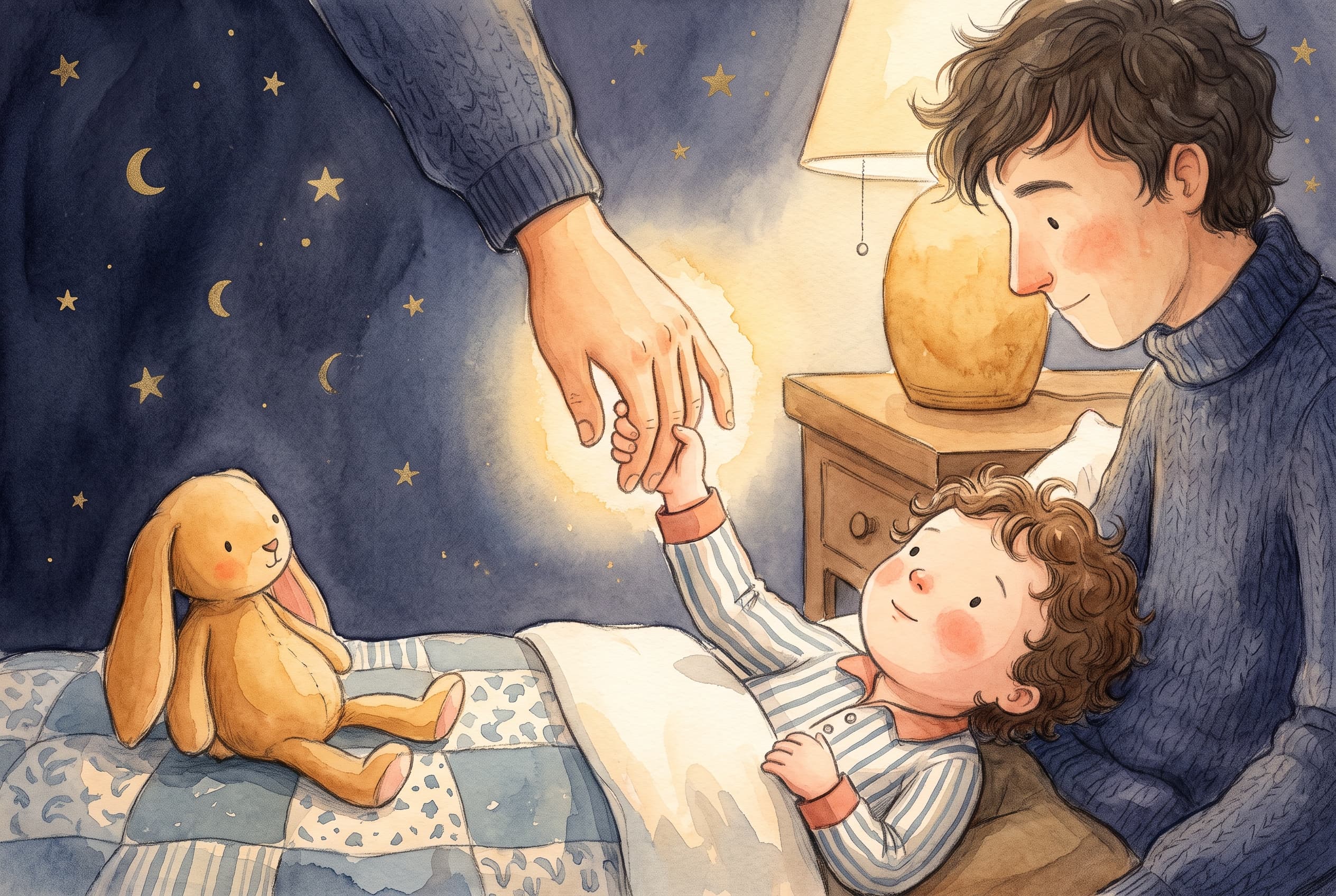
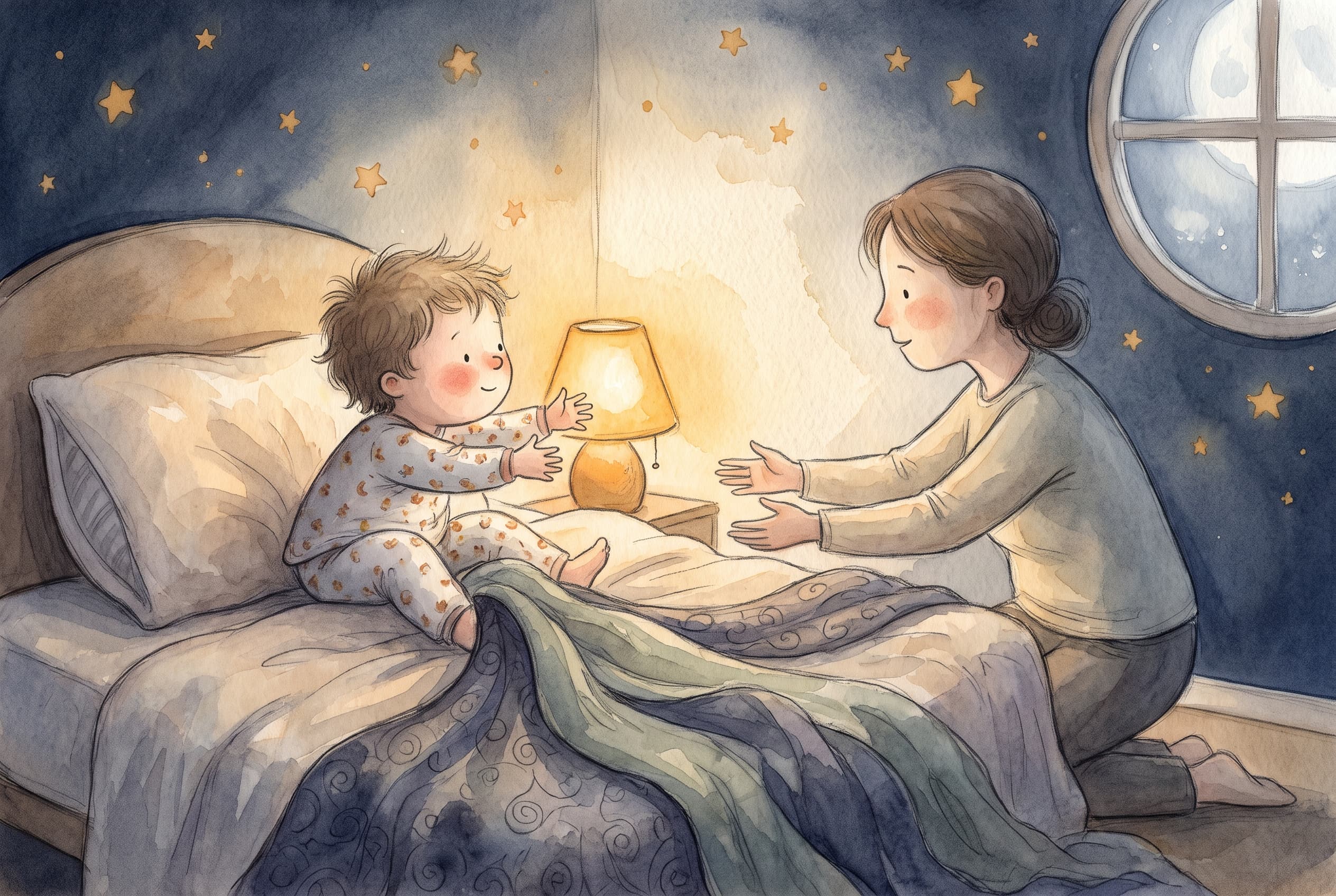
- A bedtime "thank you" moment: name one person or thing you were glad about today. This folds neatly into any wind-down routine.
- A family gratitude jar: drop in a scrap of good news, then read them together on a rainy Sunday.
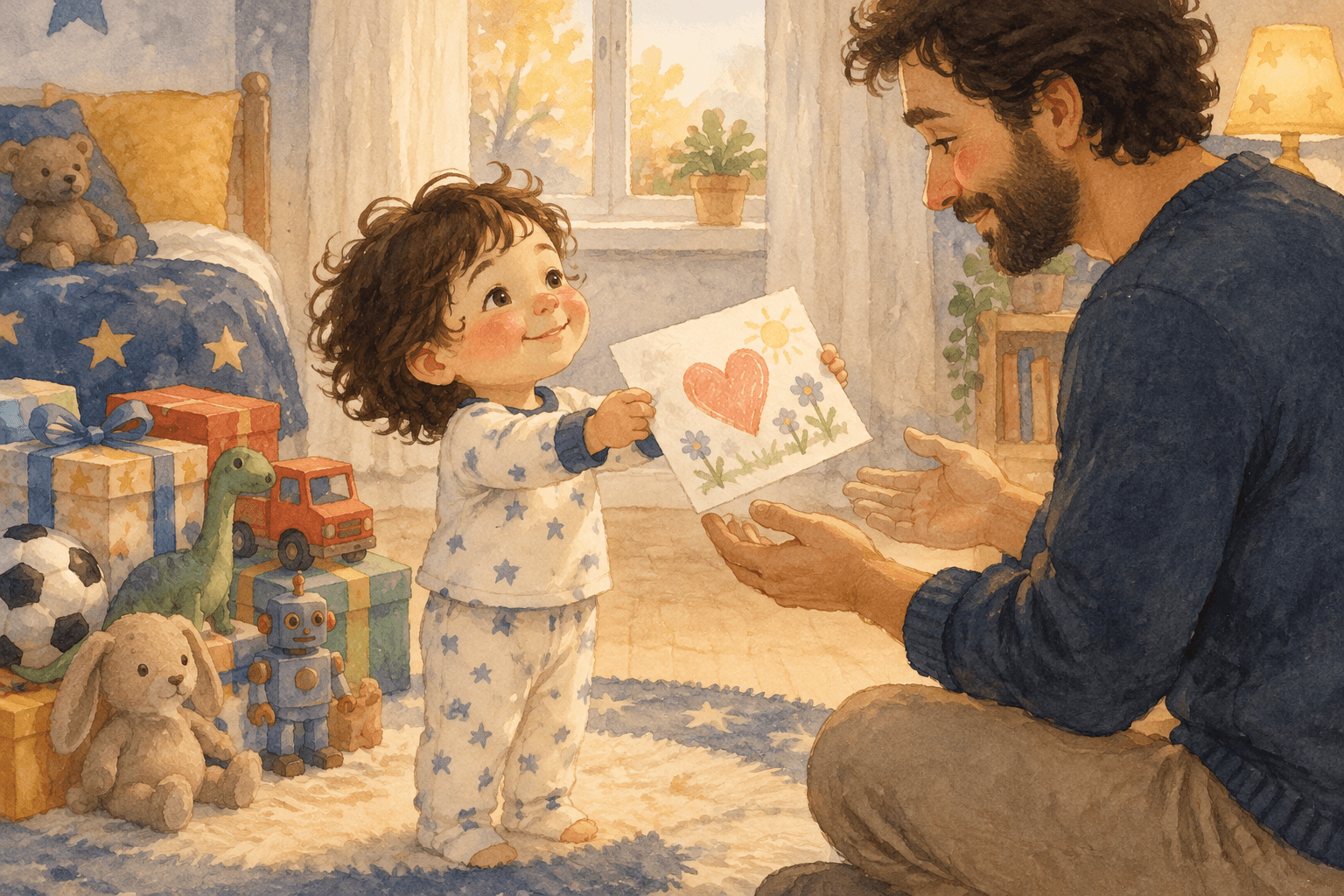
- Thank-you drawings: younger kids who can't write yet can draw a picture for someone who helped them.
Weaving one of these into your existing evening rhythm makes it effortless. If your nights still feel chaotic, our post on building a bedtime routine that actually works pairs well with a gratitude moment.
Resist correcting your child every time they forget to be thankful. Constant policing turns gratitude into a chore to resist. Model warmly, prompt gently, and let the feeling develop on its own timeline.
Handle the "I want more" moments without shame
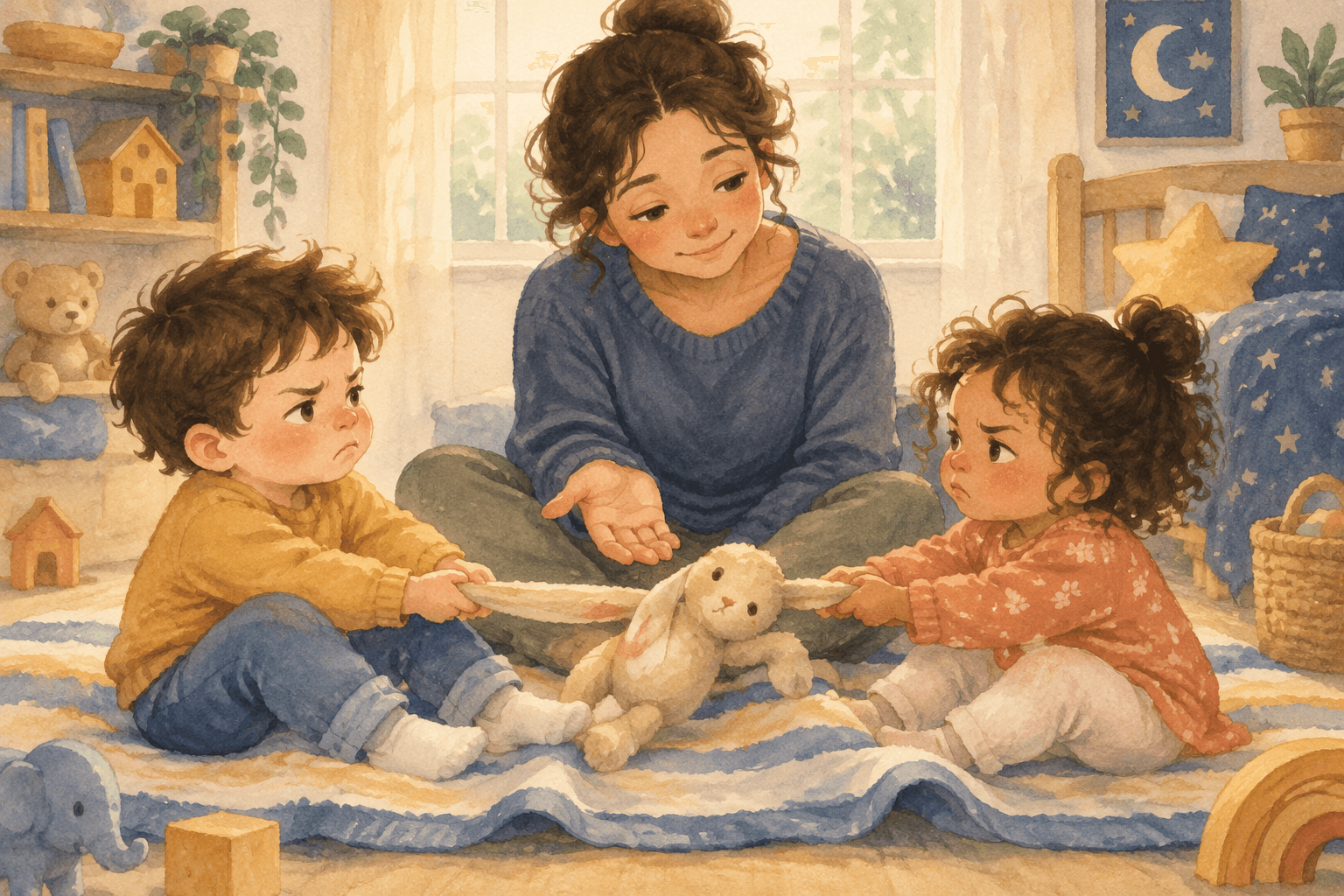
Even grateful kids melt down over a wanted toy or compare their birthday to a friend's. This isn't ingratitude — it's a developing brain wanting things. Shaming ("You should be grateful!") usually backfires and attaches guilt to good feelings.
Instead, acknowledge the want, then redirect gently: "It's okay to wish you had that. Let's look at what you do have that you love." Naming the feeling first is key; if your child struggles to name emotions at all, our guide to helping kids name their big feelings gives you the language to start with.
“Gratitude isn't something you install in a child. It's something you grow, one noticed good thing at a time.”
Use stories to make gratitude feel real
Abstract ideas like thankfulness land best when children see them lived out in a story. Picture books let a child watch a character notice kindness, feel warm about it, and give something back — then quietly try it themselves. Talking about a character's feelings is low-pressure practice for noticing their own.
This is where a personalized book where your child is the hero can gently deepen the lesson. When your own child sees themselves helping a neighbor, thanking a grandparent, or appreciating a small kindness on the page, gratitude stops being a rule and becomes part of who they are. You can browse our kindness-themed stories to find one that fits your family's values.
Keep it light, keep it long-term
Gratitude isn't a unit you complete; it's a lens you help your child keep polishing for years. Some weeks the gratitude jar fills up and dinner is full of thank-yous. Other weeks everyone's tired and nobody notices anything good — and that's fine. Consistency over time, not perfection on any given day, is what grows a grateful heart.
Key takeaways
- Gratitude develops gradually — toddlers mimic the words, while the real feeling emerges around ages four to seven.
- Model thankfulness out loud and be specific; kids learn gratitude by watching, not by being corrected.
- Small daily rituals like rose-and-thorn or a bedtime thank-you beat elaborate systems you can't sustain.
- Acknowledge wants and big feelings first; shame teaches kids to resist gratitude, warmth invites it.
Frequently asked questions
At what age can children really understand gratitude?+
Toddlers can learn the words and habits of gratitude, but the genuine feeling — noticing a kindness and feeling warm toward the giver — usually develops between ages four and seven, as they become able to consider another person's perspective.
How do I teach gratitude without forcing fake thank-yous?+
Model it yourself out loud, thank your child specifically, and build gentle rituals like a bedtime "thank you" moment. Prompt rather than police, and let the real feeling develop over time rather than demanding it on command.
What's a simple daily gratitude activity for young kids?+
Try "rose and thorn" at dinner, where everyone names one good thing and one hard thing from the day, or a bedtime moment to name one person or thing they were glad about. Repetition matters more than the specific activity.
Written by The Hello Storybook Team, Parents, writers & storytellers.
← All stories