If you've been jolted awake by a scream down the hall, you already know how helpless bad nights can feel. Understanding nightmares and night terrors in children is the first step to responding calmly instead of scrambling — because the two look similar at 2 a.m. but need very different things from you. This guide walks through what's happening in your child's brain, exactly what to do in the moment, and the small daytime and bedtime shifts that quietly reduce how often they happen.
Nightmares vs. night terrors: they are not the same thing
They feel identical when you're half asleep, but they come from different parts of the sleep cycle and call for opposite responses. Knowing which one you're looking at changes everything about how you handle it.
Nightmares are frightening dreams. They happen during REM sleep, usually in the second half of the night. Your child wakes up fully, remembers the dream, and wants comfort. They know you're there.
Night terrors happen in deep, non-REM sleep, usually in the first few hours after falling asleep. Your child may sit up, scream, thrash, sweat, and look wide-eyed with fear — but they are not actually awake. They don't recognize you, can't be consoled in the usual way, and remember nothing in the morning.
- Nightmare: child is awake, upset, and reaches for you. Night terror: child appears awake but is unreachable.
- Nightmare: later in the night. Night terror: early, often within a few hours of bedtime.
- Nightmare: remembered the next day. Night terror: no memory at all.
- Nightmare: comfort helps immediately. Night terror: comfort can make it last longer.
What to do during a night terror
The hard part of a night terror is that your instinct — to hold, wake, and soothe — is often the wrong move. Trying to rouse a child mid-terror can prolong it or confuse them further. Instead, your job is quiet safety, not rescue.
- Stay calm and keep your voice low. This is not an emergency, even though it looks like one.
- Don't try to wake them. Gently keep them from falling or hurting themselves.
- Dim the lights and reduce noise instead of turning everything on.
- Wait it out. Most terrors pass within 5 to 20 minutes, and your child settles back to sleep on their own.
- Don't quiz them about it in the morning — they won't remember, and it can create worry that wasn't there.
If night terrors happen predictably (say, 90 minutes after bedtime), try 'scheduled waking': gently rouse your child about 15 minutes before the usual terror for a few nights in a row. This nudge shifts the sleep cycle and often breaks the pattern. Talk to your pediatrician first if terrors are frequent.
What to do after a nightmare
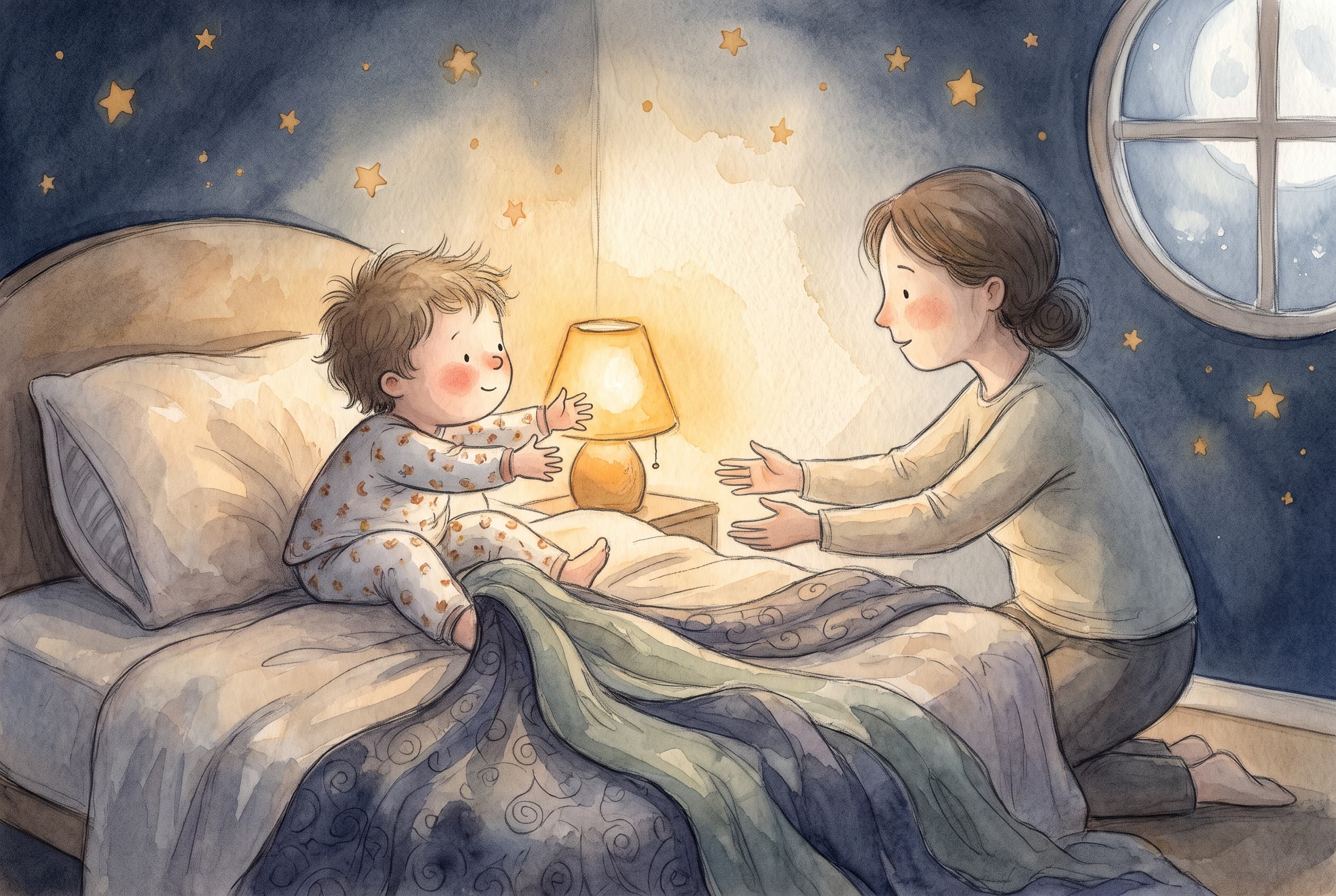
Nightmares are the opposite: your child is fully awake, scared, and needs you. Here, comfort is exactly right. Go in, keep your presence steady, and don't rush to fix or explain the dream away.
- Reassure with your body first — a hand on the back, a calm voice: 'I'm here. You're safe.'
- Name it simply: 'That was a scary dream. Dreams can't hurt you, even when they feel real.'
- Avoid searching the room for monsters, which accidentally tells them monsters might be real. Instead, remind them the room is the same safe room it was at bedtime.
- Keep the return to sleep low-key: a short cuddle, a familiar lovey, a nightlight if it helps — then back to bed.
- Talk about the dream in daylight, not at 3 a.m. Mornings are for gentle processing; nights are for sleep.
Why bad nights happen — and what makes them worse
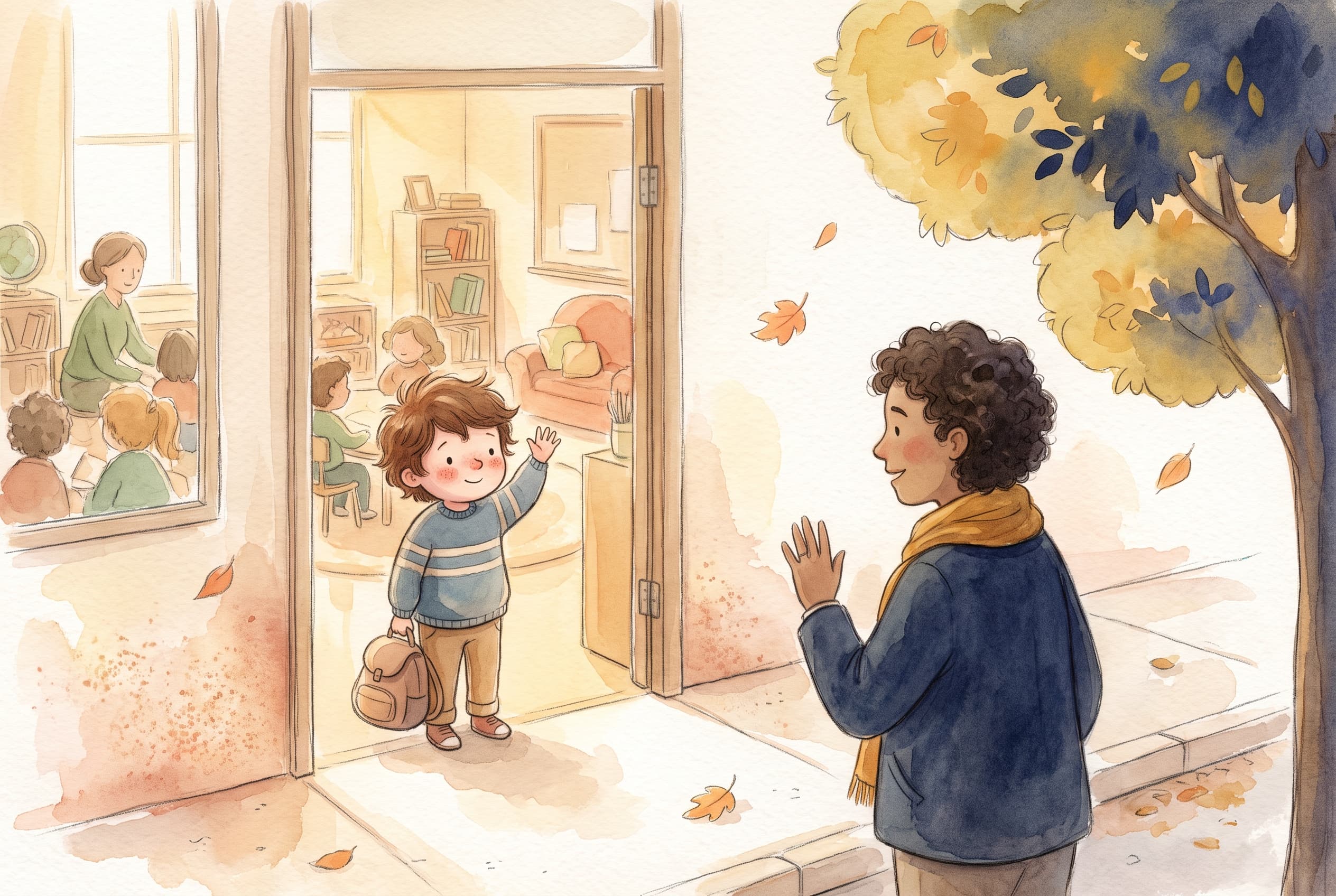
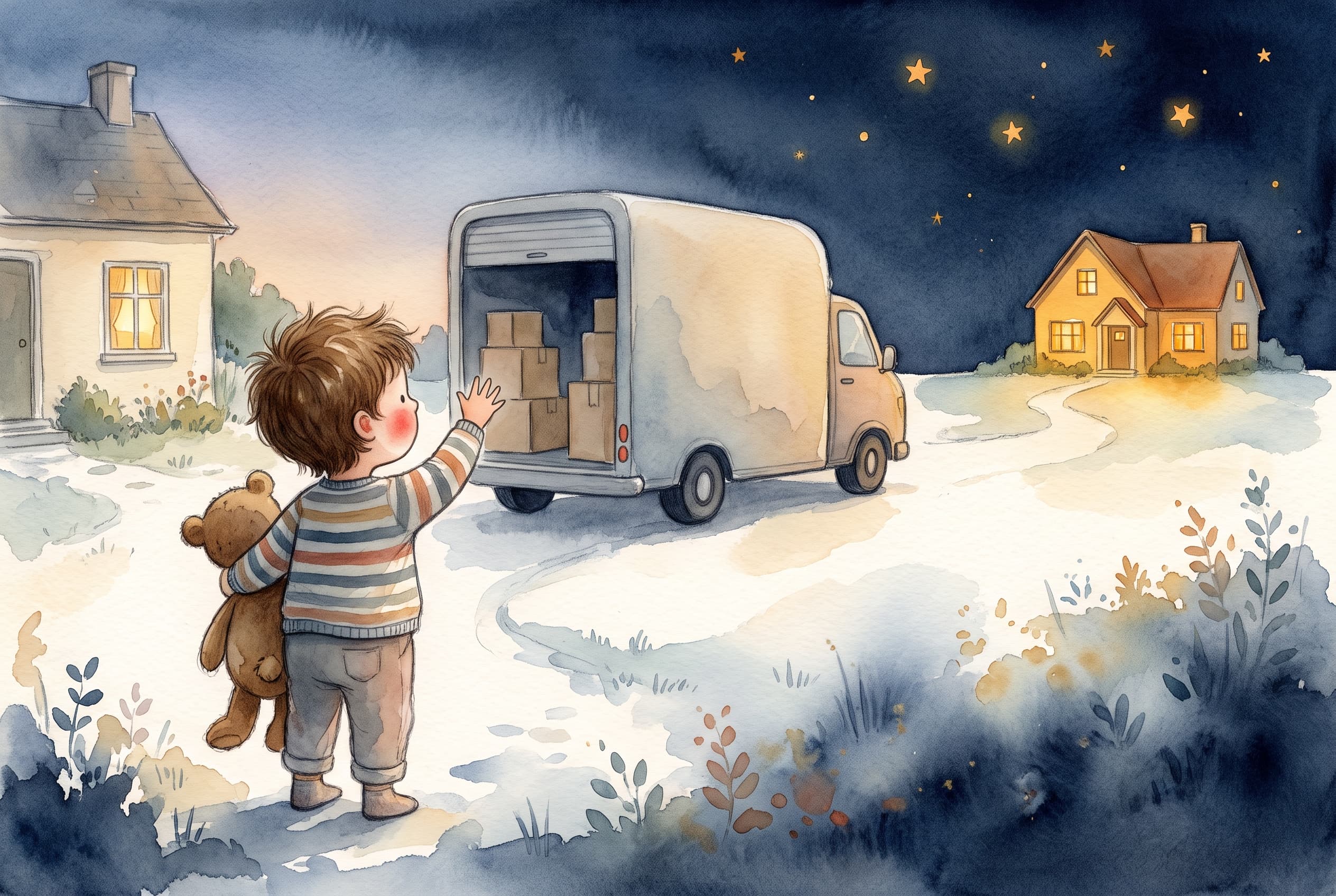
Both nightmares and night terrors spike when a child is overtired, overstimulated, or going through change. Night terrors in particular are strongly linked to being short on sleep. Nightmares tend to climb during transitions — a new sibling, starting school, a move — when big daytime feelings spill into the dark.
Common triggers worth checking:
- Not enough total sleep, or a bedtime that keeps drifting later
- Scary or overstimulating content before bed, including shows that seem harmless
- A chaotic or rushed wind-down
- Daytime stress or anxiety that hasn't had a chance to be talked through
- Being too hot, or a bladder that's too full at bedtime
If daytime worry seems to be feeding the dreams, it's worth working on the underlying anxiety directly — our guide to helping an anxious child covers age-aware ways to do that. And if the fear is specifically about darkness, what to do when your child is scared of the dark goes deeper on that particular worry.
Building a bedtime that prevents bad nights
You can't eliminate every bad dream, but a predictable, unhurried wind-down is the single most protective thing you can offer. A calm nervous system at lights-out means fewer terrors and gentler dreams.
Aim for the same sequence every night, starting earlier than feels necessary. Screens off at least an hour before bed. Bath, pajamas, teeth, then a quiet story in soft light. If you don't have a rhythm that sticks, how to build a bedtime routine that actually works lays out a version you can hold to on the hard nights.
“The goal isn't a perfect night. It's a predictable one — because predictability is what a scared brain reads as safe.”
— A pediatric sleep principle worth taping to the wall
Giving fear a story your child can hold onto
Young children can't reason their way out of fear, but they can absorb it through story. A bedtime tale where a brave, familiar hero faces the dark and comes through gives your child a script to borrow when their own courage runs low — and it ends the day on calm instead of dread.
This is where a personalized book earns its place at bedtime. When your child is the hero facing the shadows and finding they're safe after all, the reassurance lands differently than a stranger's story would. Our bedtime calm stories and courage stories are built for exactly this — a gentle, repeatable ending your child looks forward to, night after night, so the last thing on their mind before sleep is being brave and being loved.
When to talk to your pediatrician
Most bad nights are a normal part of growing up and fade on their own. But check in with your doctor if terrors or nightmares are frequent, if they involve breathing pauses or unusual movements, if your child is afraid to sleep every night, or if daytime function is suffering. There's no prize for toughing it out alone.
Key takeaways
- Nightmares wake your child and need comfort; night terrors leave them unreachable and need quiet safety, not rousing.
- Overtiredness is a top trigger — an earlier, calmer bedtime prevents more bad nights than anything else.
- Comfort nightmares in the moment but process them in daylight, and don't quiz a child about a terror they won't remember.
- See your pediatrician if bad nights are frequent, involve breathing changes, or make your child afraid to sleep.
Frequently asked questions
What is the difference between nightmares and night terrors in children?+
Nightmares are scary dreams during REM sleep, usually later in the night; the child wakes fully, remembers them, and wants comfort. Night terrors happen in deep sleep early in the night; the child appears awake and terrified but is unreachable, can't be consoled normally, and remembers nothing the next day.
Should I wake my child during a night terror?+
No. Trying to wake a child mid-terror often prolongs or worsens it. Keep them safe from falling or injury, dim the lights, stay calm, and let it pass — most terrors resolve within 5 to 20 minutes and the child returns to sleep with no memory of it.
How can I reduce how often my child has nightmares?+
Prioritize enough total sleep and a consistent, unhurried bedtime routine, cut scary or stimulating screens at least an hour before bed, and address daytime worries during the day. A calming bedtime story where your child feels brave and safe also helps end the day on reassurance.
Written by The Hello Storybook Team, Parents, writers & storytellers.
← All stories