If you have a child scared of dogs thunderstorms and other sudden, loud things, you already know how quickly a good day can flip. A dog barks two houses away, thunder rolls in during dinner, a hand dryer roars in a public bathroom — and your child is clinging, crying, or begging to leave. The good news: these fears are extremely common, developmentally normal, and very responsive to a calm, patient approach. Here's how to help your child feel safe again, one small brave step at a time.
Why loud, unpredictable things feel so scary
Fear of dogs, thunder, fireworks, and other loud noises usually peaks between ages 2 and 7. Two things are happening at once. First, a young child's brain is wired to treat loud, sudden, unpredictable stimuli as potential danger — that startle reflex is doing its job. Second, kids this age are just beginning to understand cause and effect, so a thunderclap or a lunging dog feels random and uncontrollable. When something is both loud and unpredictable, the fear doubles.
This is not a sign your child is fragile, spoiled, or 'too sensitive.' It's a normal stage. Your job isn't to argue them out of the fear — it's to be the calm, steady adult who helps their nervous system learn, over time, that these things are survivable and often not dangerous at all.
What to do in the moment
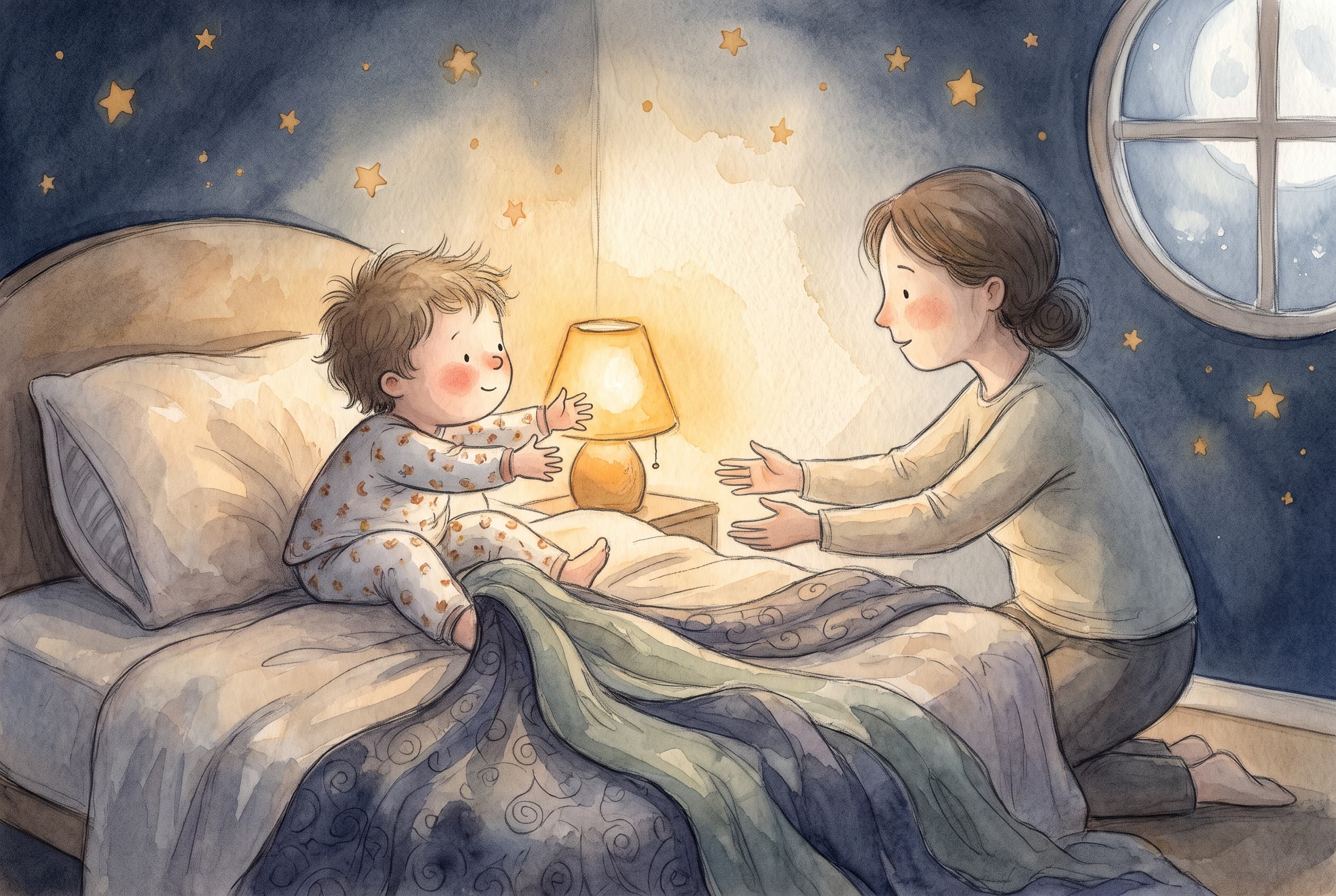
When fear spikes, your child can't access logic — the thinking part of the brain goes offline. So skip the explanations for now and lead with calm connection. Get low, stay close, and keep your voice soft and slow. Your regulated body is the most powerful tool you have; kids borrow our calm before they can find their own.
- Name it simply: 'That was loud. That felt scary. I'm right here.'
- Offer your body: a lap, a hug, a hand to squeeze. Let them set the amount of contact.
- Reduce the input: close the window, move to a quieter room, offer headphones or hands over ears.
- Give the fear a job: 'Let's count how many seconds until the next rumble' turns helplessness into curiosity.
- Avoid the trap of over-reassuring ('It's fine, there's nothing to be scared of'). It rarely helps and can signal that big feelings aren't welcome.
It's a child who learns 'I felt scared and I got through it.' Every storm they weather with you builds that quiet confidence — brick by brick.
Building bravery between the scary moments
The real progress happens when your child is calm, not mid-meltdown. This is where gentle, gradual exposure comes in — letting them approach the fear in tiny, controlled doses they can actually handle. The key word is gradual. Pushing too fast ('Just go pet the dog!') can cement the fear; going at the child's pace slowly rewires it.
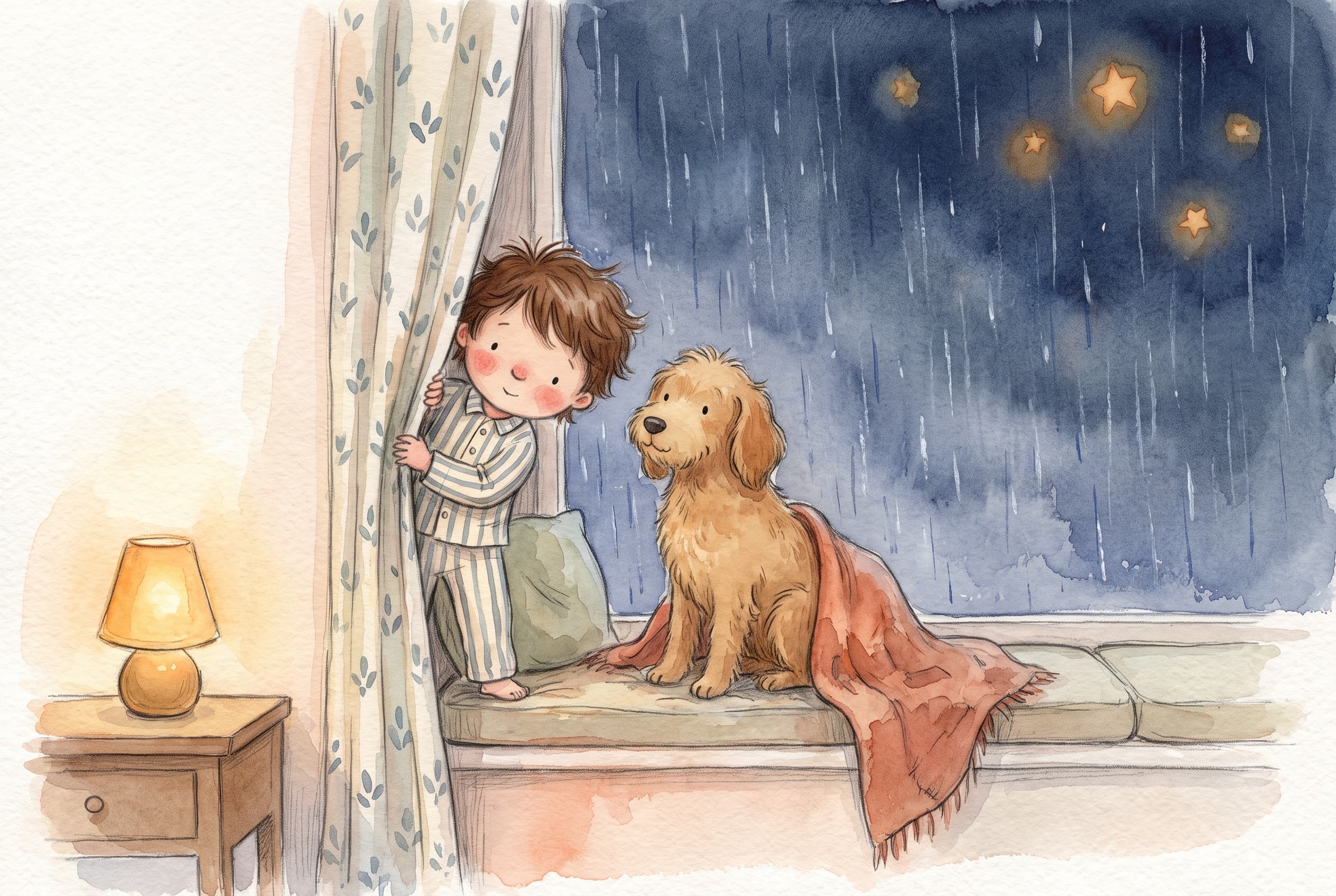
For dogs, that ladder might look like: watching dogs in a picture book, then videos, then a calm dog across a park, then a leashed, sleepy dog from a few feet away, then — weeks later — offering a treat with an adult right beside them. For thunderstorms, you might make a cozy 'storm-watching' ritual with blankets and hot cocoa so the sound gets paired with comfort instead of dread.
- Let your child control the pace and the distance — they should always feel they can back away.
- Celebrate the tiny step, not the finish line: 'You stood near the dog for a whole minute!'
- Repeat the same small step several times until it feels boring, then nudge one notch closer.
- Never trap or surprise them into contact with the thing they fear. Trust is the whole game.
Give the fear language (and a little control)
Kids feel less afraid when they can name what's happening and understand it a little. A simple, honest explanation — 'Thunder is just the sound air makes after lightning; it can't touch you' — gives the mystery an edge to hold onto. Helping children name their feelings is one of the most protective things you can do for anxious moments of all kinds.
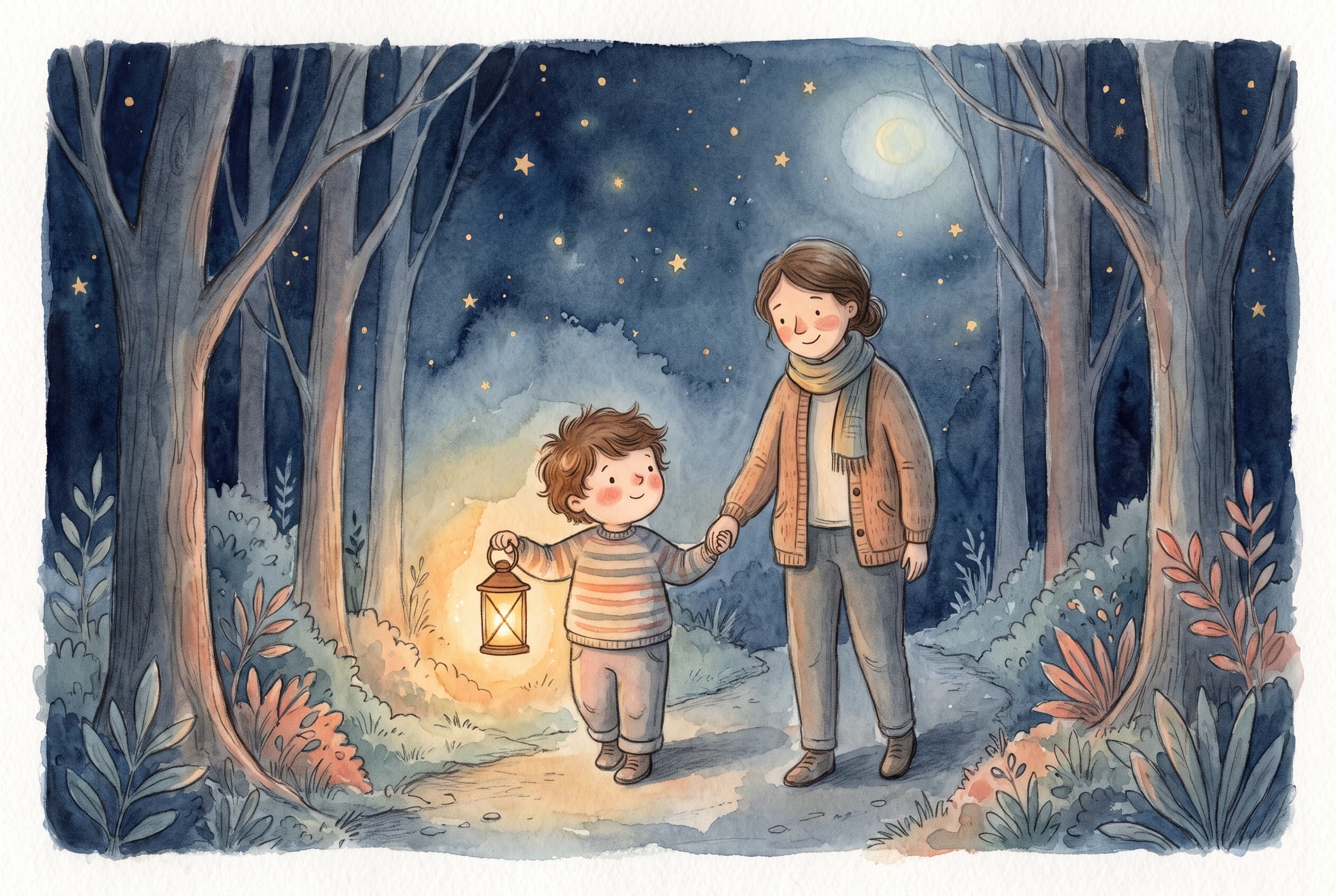
Control is the antidote to fear. Let your child build a 'storm kit' (flashlight, favorite stuffie, headphones) or choose a 'brave spot' in the house. For dogs, teach the concrete rule that helps kids everywhere: 'Ask the owner, let the dog sniff your hand, pet the back — never the face.' Rules turn a scary unknown into a manageable plan.
Stories are rehearsal for real life
One of the gentlest exposure tools is a book. Reading about a character who feels scared and then finds their courage lets your child face the fear from the safe distance of the page — and gives you shared language for the real moment ('Remember how the kid in the story counted the thunder?'). Turning this into a nightly ritual makes it even more powering; here are read-aloud tips that turn story time into a ritual.
This is where a personalized story earns its place. In a Hello Storybook courage story, your child is the hero of every page — the one who hears the thunder, feels the wobble, and chooses to be brave anyway. Seeing themselves do the brave thing in print is startlingly persuasive to a young mind. You can even weave in the exact dog or storm they're working on, so the book mirrors the ladder you're climbing together in real life.
When to seek extra support
Most fears fade with patience, time, and gentle practice. But reach out to your pediatrician or a child psychologist if the fear is intense enough to disrupt daily life — refusing to leave the house, panic attacks, sleep loss that lasts weeks, or a fear that's steadily worsening rather than easing. Anxiety is very treatable in kids, and asking for help early is a sign of good parenting, not failure.
“Courage isn't the absence of fear. It's feeling scared and taking one small step anyway — with someone you trust beside you.”
— A reminder worth taping to the fridge
Key takeaways
- Fear of dogs, thunder, and loud noises is developmentally normal, especially ages 2–7 — your calm matters more than your explanations.
- In the moment, connect and reduce the input; save the reasoning for when your child is calm again.
- Build bravery through slow, child-paced exposure and by giving the fear language and a sense of control.
- Stories where your child is the brave hero make powerful, low-pressure rehearsal for real scary moments.
Frequently asked questions
Why is my child suddenly scared of dogs or thunderstorms when they weren't before?+
New fears often appear between ages 2 and 7 as children's imaginations grow and they start grasping cause and effect. A sudden fear of dogs or storms is a normal stage, not a setback — it usually fades with patient, gradual exposure and a calm adult nearby.
How do I help my child during a thunderstorm without making the fear worse?+
Stay calm, get close, and name the feeling simply ('That was loud, I'm here'). Reduce the noise with a quieter room or headphones, then give the fear a job like counting seconds between rumbles. Avoid dismissing it with 'there's nothing to be scared of.'
When should I worry about my child's fear of loud noises?+
Talk to your pediatrician if the fear disrupts daily life — refusing to leave home, panic attacks, weeks of lost sleep, or a fear that keeps worsening. Childhood anxiety is very treatable, and getting support early makes a real difference.
Written by The Hello Storybook Team, Parents, writers & storytellers.
← All stories