If your child freezes at the school gate, asks "what if" a hundred times a day, or lies awake replaying tomorrow, you already know how helpless anxiety can make a parent feel. Learning how to help an anxious child isn't about making the fear vanish on command — it's about giving your child a trustworthy hand to hold while their nervous system learns it's safe. This guide walks through what anxiety actually looks like in kids under 10, what to say in the moment, and the small daily habits that build lasting resilience.
What anxiety really looks like in young children
Anxiety rarely announces itself as "I feel anxious." In children under 10 it wears disguises — a stomachache before school, sudden clinginess, meltdowns over tiny changes, endless bedtime questions, or a flat refusal to try something new. Some kids get loud and defiant; others go quiet and compliant, which is easy to miss. What connects them all is a brain that's overestimating danger and underestimating the child's ability to cope.
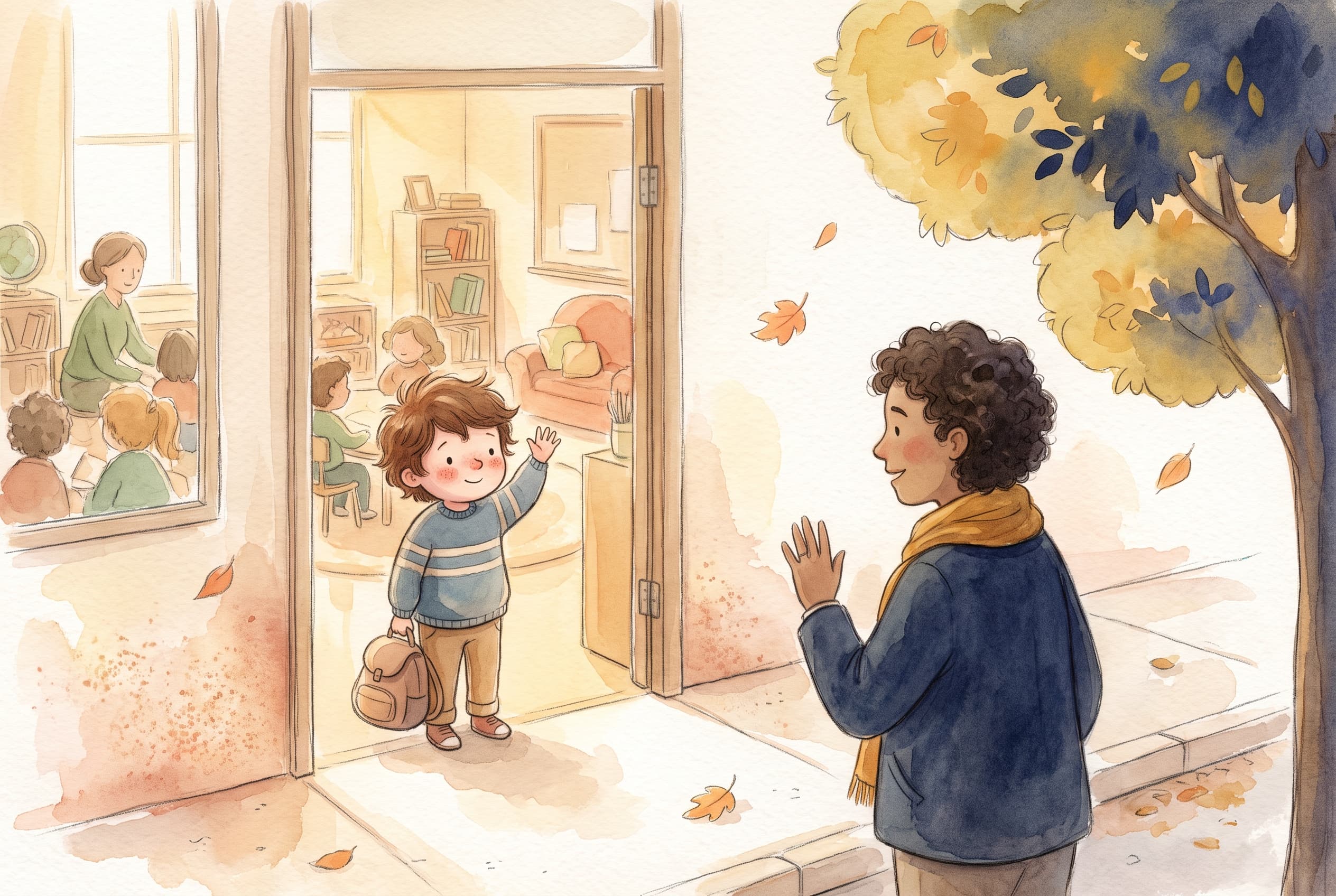
A degree of worry is healthy and normal. It becomes something to actively support when it's frequent, intense, or starts shrinking your child's world — skipping birthday parties, avoiding the playground, or dreading things weeks in advance.
Name the worry before you try to fix it
The instinct to reassure — "You'll be fine, there's nothing to worry about" — is loving, but it often backfires. To an anxious child it can sound like their very real feeling is being dismissed. Connection has to come before correction.
Instead, name what you see and give the feeling words. "Your tummy feels wobbly because the party is new. That makes sense." Putting language to emotions actually calms the brain's alarm system, which is why helping kids name their feelings is one of the most powerful things you can do. Some families give the worry a nickname — "the Worry Monster" or "my what-if brain" — so the child can talk about it as something separate from themselves, not a flaw in who they are.
In-the-moment tools that actually work
When your child is flooded, their thinking brain is offline. This is not the moment for logic or long explanations — it's the moment for the body. Try these, and practice them during calm times so they're familiar when it counts:
- Slow the breath: breathe in as you "smell the flower," out as you "blow out the candle." Long exhales are what signal safety.
- Ground the senses: name five things you can see, four you can hear, three you can touch. This pulls attention out of the spiral and into the room.
- Push a wall or squeeze a pillow hard for ten seconds, then release — big-muscle effort discharges nervous energy.
- Offer a hand on the back or a firm hug, if your child welcomes touch. Your calm body helps regulate theirs.
- Keep your own voice low and slow. Children borrow our nervous systems before they build their own.
"You're safe, I'm right here, and we'll get through this together." Short, warm, and repeatable — it gives your child an anchor without arguing with the fear.
Build brave, one small step at a time
The long game of helping an anxious child is teaching the brain that scary-feeling things are usually survivable. Avoidance feels kind in the moment but quietly tells the worry "you were right, that was dangerous." The antidote is gentle, gradual exposure — often called a bravery ladder.
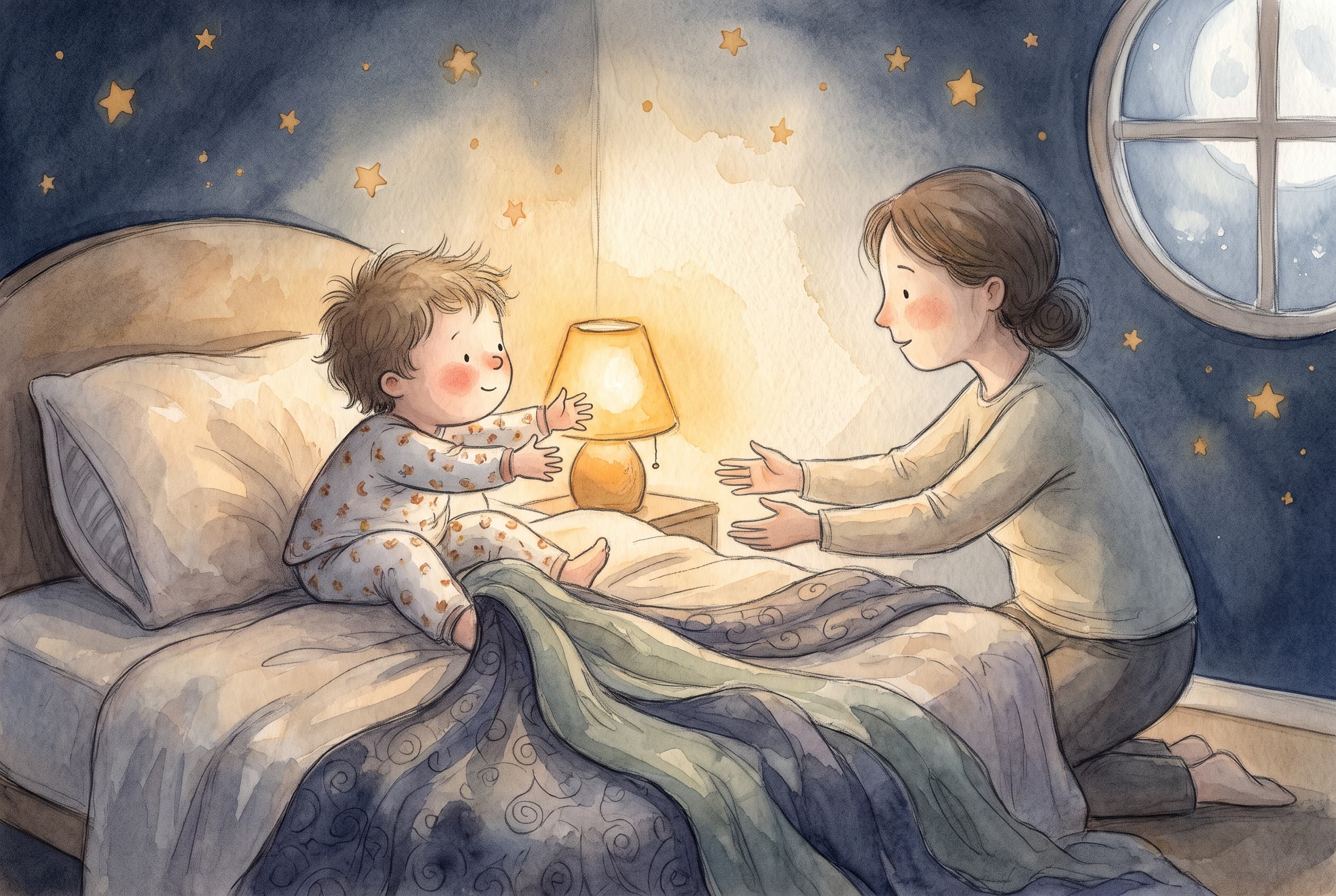
Break a big fear into tiny rungs. If your child is scared to sleep alone, the ladder might start with you sitting on the bed, then in the doorway, then checking in every few minutes. Celebrate each rung — courage isn't the absence of fear, it's doing the thing while the fear is still there. This same steady, step-by-step approach helps with specific fears too, whether it's the dark or dogs, thunder, and loud noises.
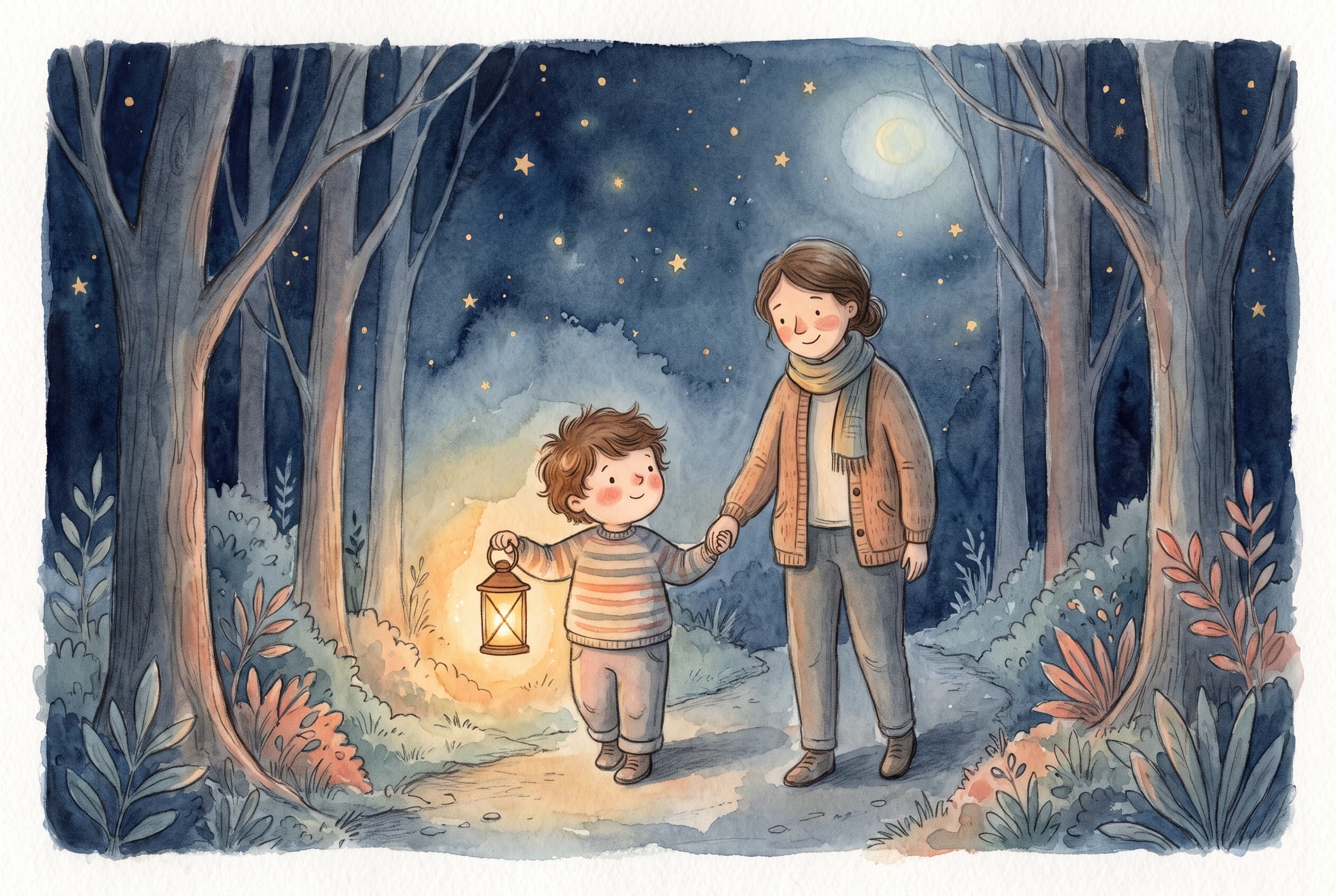
“Courage isn't being unafraid. It's feeling the wobble and taking one more small step anyway — with someone who believes you can.”
— A note we keep coming back to
Protect sleep, routine, and your own calm
Anxiety and exhaustion feed each other. An overtired child has fewer resources to manage worry, and worry makes it harder to fall asleep — a loop worth breaking. A predictable, unhurried wind-down tells the nervous system the day is safely closing; if bedtime has become a battleground, it's worth building a bedtime routine that actually works.
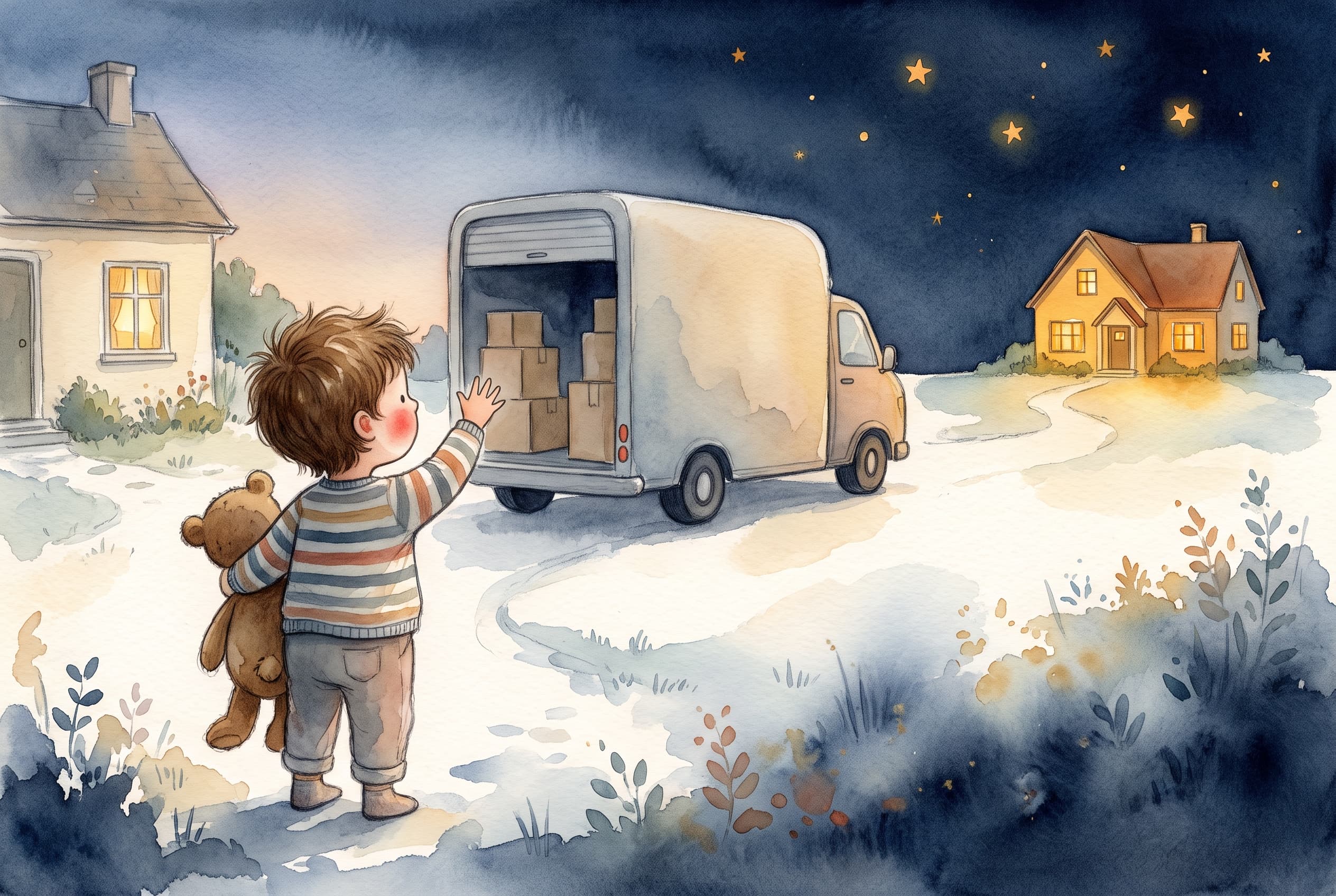
Predictability during the day helps too. Anxious kids relax when they know what's coming, so preview transitions ("after snack we'll get dressed, then Grandma picks you up") and keep changes gentle. And don't skip your own oxygen mask: children read our stress with startling accuracy. Ten minutes to steady yourself before a hard moment isn't selfish — it's part of the treatment.
When to reach out for extra support
Most childhood worry responds beautifully to patience, connection, and practice. But you don't have to carry it alone, and some signs deserve a professional's eyes. Consider talking to your pediatrician or a child therapist if:
- Anxiety is interfering with school, friendships, sleep, or eating for several weeks.
- Your child has frequent panic-like episodes, or physical symptoms with no medical cause.
- Worries are shrinking their world — refusing activities they used to enjoy.
- There's talk of self-harm, or the distress feels beyond what your usual tools can reach.
Asking for help is not a failure; it's the same thing you'd do for a persistent cough. Therapies like child-friendly CBT are highly effective, and early support tends to make things easier faster.
How stories give worried kids a safe rehearsal
Children process big feelings sideways — through play and story more than direct conversation. A book lets an anxious child watch a character feel scared, try a brave step, and come out okay, all from the safety of your lap. It becomes a shared language: "Remember how she smelled the flower and blew out the candle?"
That's why a personalized story can be especially powerful here. When your child is the hero who faces the wobbly feeling and finds their courage, the message lands differently — it's not a stranger being brave, it's them. Our courage stories put your child's name and face on the page as the one who tries the hard thing, giving you a gentle, repeatable way to talk about worries long after the last page. You can preview how it works with a sample book before you create one.
None of this replaces the daily work of naming feelings and climbing the bravery ladder together — but a story your child sees themselves in can make that work feel a lot lighter for both of you.
Key takeaways
- Name and validate the worry before reassuring — connection calms the brain faster than logic.
- In the moment, focus on the body: slow exhales, grounding the senses, and your own steady calm.
- Beat anxiety with gentle, gradual exposure, not avoidance — celebrate each small brave step.
- Reach out to a pediatrician or therapist when worry disrupts daily life or shrinks your child's world.
Frequently asked questions
How do I help an anxious child calm down in the moment?+
Focus on the body, not logic. Guide slow breaths with long exhales ("smell the flower, blow out the candle"), name five things they can see and hear to ground them, offer a firm hug if welcomed, and keep your own voice low and calm so they can borrow your steadiness.
Is it normal for young children to be anxious?+
Yes. Some worry is a healthy, normal part of development, especially around new situations, separation, and the dark. It's worth extra support when the anxiety is frequent, intense, lasts several weeks, or starts limiting activities your child used to enjoy.
Should I let my anxious child avoid the things that scare them?+
Avoidance brings short-term relief but tends to make anxiety grow, because it teaches the brain the situation was truly dangerous. A gentler approach is a "bravery ladder" — breaking the fear into tiny steps, practicing one at a time, and celebrating each small success.
Written by The Hello Storybook Team, Parents, writers & storytellers.
← All stories